
Stellar Alpina, a Zurich-based SpaceTech startup, secured €3.8 million in pre-seed funding to advance its rotating detonation rocket engine (RDRE) technology for in-space mobility applications. Founded by former members of Switzerland’s Academic Spaceflight Initiative (ARIS), the company is developing compact propulsion systems designed to improve the efficiency of orbital transfers, satellite repositioning and future deep-space missions.
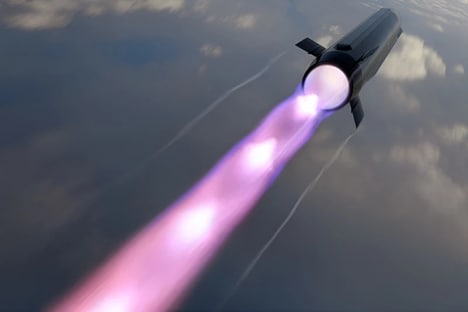
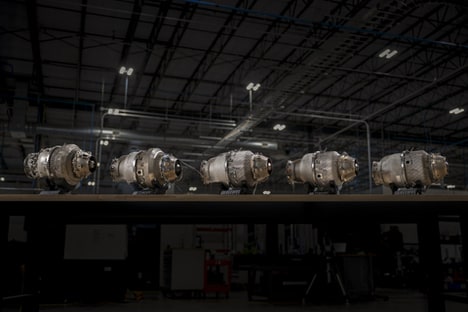
The startup focuses on RDRE technology, which uses supersonic detonation waves to extract more energy from propellant than conventional rocket engines. Stellar Alpina completed testing of its first engine, Engine 0, shortly after founding the company, conducting multiple hotfire tests and demonstrating stable detonation-wave operation. The new funding will support further engine development and the design of propulsion systems for higher-energy orbital and cislunar missions.
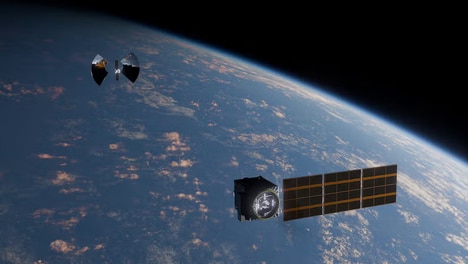
For satellite operators and space infrastructure providers, the technology offers the potential for smaller, lighter and more efficient propulsion systems that reduce the cost and complexity of moving assets between orbits. The company’s approach reflects growing interest in next-generation in-space mobility technologies as satellite constellations, servicing missions and lunar exploration programs increase demand for more capable orbital transportation systems.
Image Credit: Stellar Alpina
What's Driving This Trend
- Detonation Propulsion
- Supersonic combustion architectures are creating a pathway to smaller, higher-efficiency engines that could reshape cost structures for orbital transfers and deep-space transport.
- In-space Mobility
- More capable propulsion systems are expanding the commercial value of satellites by making repositioning, servicing and mission extension more practical across crowded orbital environments.
- Cislunar Logistics
- Rising activity between Earth orbit and the Moon is increasing demand for compact transport technologies that support infrastructure deployment, resource movement and extended exploration missions.
Who This Affects Most
- Spacetech
- Startups developing advanced propulsion platforms are challenging legacy aerospace models with faster testing cycles, specialized engineering teams and capital-efficient commercialization paths.
- Satellite Services
- Constellation operators benefit from propulsion advances that improve maneuverability, reduce fuel mass and enable more flexible asset management throughout satellite lifecycles.
- Aerospace Manufacturing
- Next-generation engine designs are introducing opportunities for precision components, thermal materials and compact system integration across emerging orbital transportation supply chains.