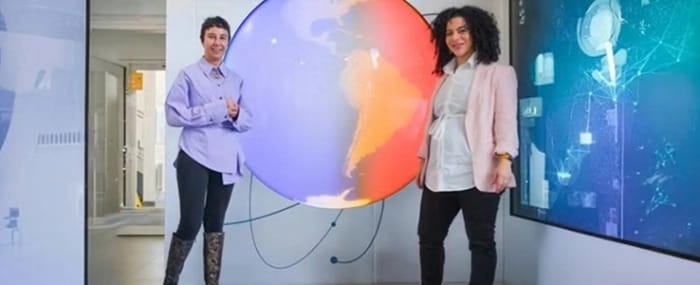
Siemens joined the European Space Agency’s EPIC Partnership Initiative to provide a tailored incubator offering for startups from ESA Business Incubation Centres, featuring industrial-grade digital twin capabilities and a fully digital engineering and simulation backbone. The collaboration gives participating space-tech ventures access to Siemens Xcelerator, mentors and technical experts designed to support design, simulation and validation in virtual environments.
The program extends to projects assisted by ESA Technology Brokers and ESA Phi-LabNET and leverages the ESA BIC network across 37 centers that has supported more than 2,000 startups. Siemens’ contribution includes joint visibility activities within the European space ecosystem and hands-on resources to accelerate product development.
For startups this partnership accelerates prototyping and reduces time-to-market by enabling early validation of complex systems in software before hardware builds. By tying industrial digital tools to incubator support, the initiative aims to help European space firms scale globally and strengthen regional competitiveness in the space economy.
Image Credit: Siemens
What's Driving This Trend
- Industrial Digital Twins for Startups
- Brings industrial-grade digital twin capabilities into incubators, creating a virtual-first product development pathway that compresses prototyping timelines and shifts risk from hardware to software validation.
- Virtual Engineering-first Prototyping
- Establishes simulation and validation as the primary mode of design, enabling complex systems to be iterated and verified entirely in software before any physical build.
- Public-private Incubator Ecosystems
- Combines government-backed networks and corporate platforms to form hybrid incubators that concentrate resources, expertise, and market access for scaling deep-technology ventures.
Who This Affects Most
- Space Technology Startups
- Early access to industrial simulation tools creates opportunities for startups to deliver higher-assurance payloads and subsystems with reduced capital intensity and faster path-to-market.
- Aerospace Supply Chain
- Wider adoption of virtual validation can transform supplier qualification and integration processes, reducing rework and enabling distributed manufacturing based on validated digital models.
- Simulation Software Providers
- Embedding advanced engineering toolchains into incubator programs opens prospects for platform-led business models and recurring revenue tied to lifecycle digital twins.