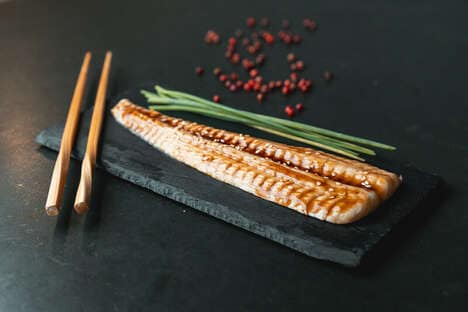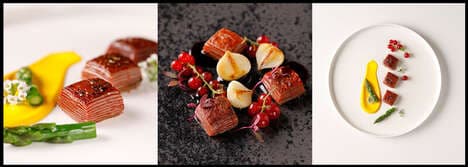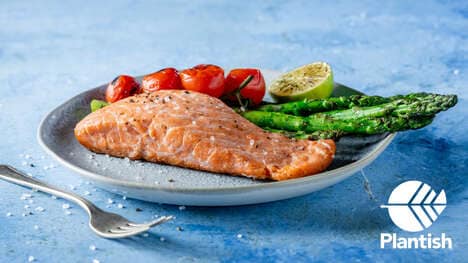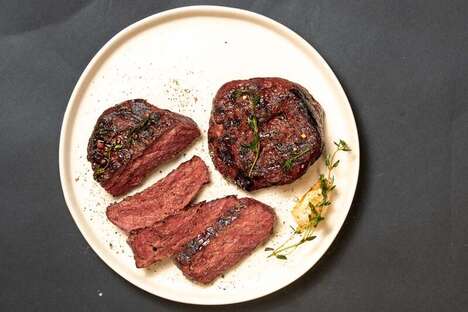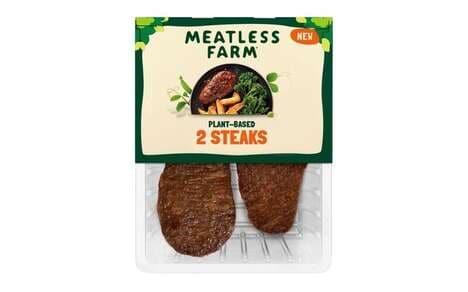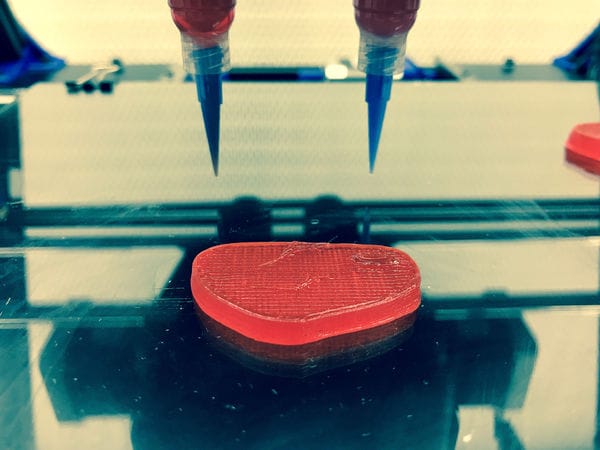
As the demand for cruelty-free food products grows, so does the potential for additive manufacturing—and now, researchers in Barcelona are developing solutions for creating completely meatless 3D-printed meat.
Giuseppe Scionti and a team out of Spain are making "steaks" from plant-based ingredients that mimic the texture of meat in an authentic way. This process takes about 30 to 50 minutes to create 100 grams of "meat" from a paste made with pea or rice protein powder. After the plant-based steak has been printed, it is ready to be cooked.
While the making of the plant-based steaks heavily relies on additive manufacturing, Scionti also notes that he also uses "techniques that are normally used for cultured meat and techniques borrowed from bioprinting and adapted for use with materials for plant-based meat."
What's Driving This Trend
- Cruelty-free Food Products
- Opportunity for developing innovative solutions for creating meatless alternatives using additive manufacturing, such as 3D printing, to meet the growing demand for cruelty-free food products.
- Additive Manufacturing in Food Industry
- Opportunity for utilizing additive manufacturing technologies like 3D printing to create plant-based meat substitutes with authentic texture and taste.
- Bioprinting Techniques for Plant-based Meat
- Opportunity for adapting bioprinting techniques and materials for creating plant-based steak that mimics the texture of meat.
Who This Affects Most
- Food Production
- Opportunity for food production companies to embrace additive manufacturing technologies to create cruelty-free meat alternatives using plant-based ingredients.
- Biotechnology
- Opportunity for biotechnology companies to explore and innovate techniques for creating plant-based meat using bioprinting and other advanced technologies.
- Sustainable Agriculture
- Opportunity for sustainable agriculture companies to develop plant-based protein sources like pea and rice to be used as ingredients for 3D-printed meat alternatives.