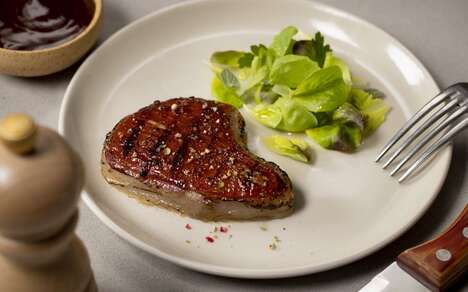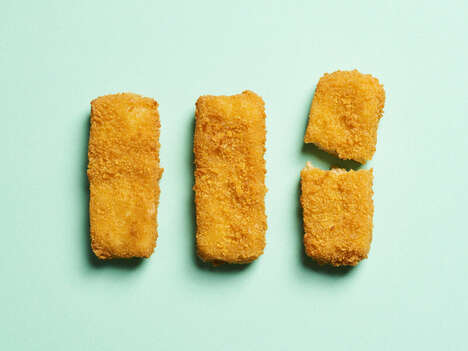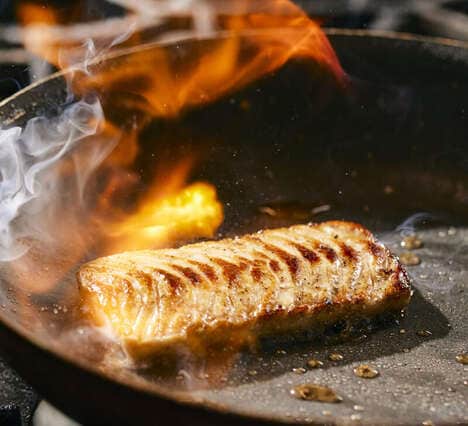
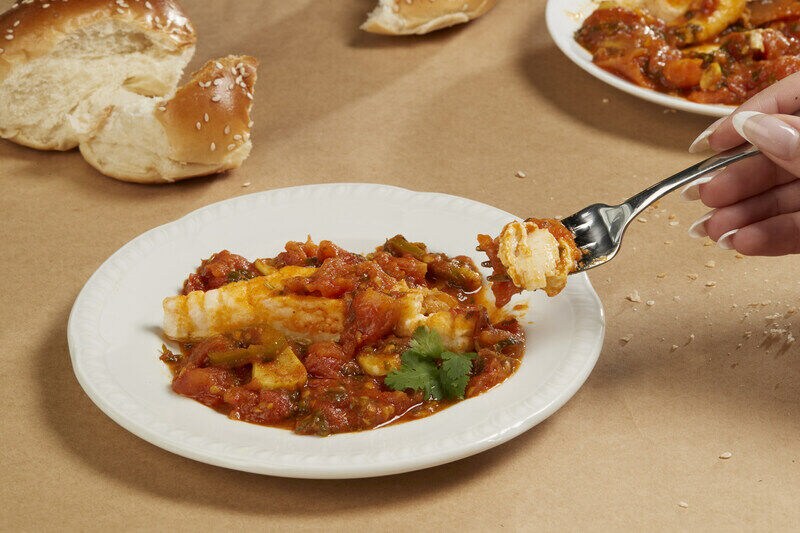
Steakholder Foods is transforming the food space into a more sustainable one with innovations like the first-ever 3D bio-printed cultivated fish fillet. This feat was achieved by customizing bio-inks using grouper cells provided by Umami Meats to print a cultivated grouper product. Unlike fully cultivated meat products that demand incubation and maturation after printing, this grouper fish product is ready to cook right after printing.
3D-printed meat has the potential to be a sustainable solution to increase food security by reducing the environmental impact of traditional meat production and increasing the efficiency of food production. It could also provide a novel and more customizable food source, and companies like Steakholder Foods are enhancing the safety, cost, and social acceptance of this technology.
Steakholder Foods recently hosted a tasting event to show off the flaky texture of the 3D bio-printed cultivated fish fillet with signature Singaporean-style and Israeli-style dishes.
Image Credit: Shlomi Arbiv
What Makes This Trend Stand Out
- Sustainable Food Production
- The development of bio-printed fish fillets is a disruptive innovation that presents the opportunity for more sustainable food production by reducing the environmental impact of traditional meat production.
- Customizable Food Sources
- The introduction of 3D-printed meat products could provide a novel and more customizable food source that has potential to revolutionize the food industry.
- Advancement in Food Technology
- Companies like Steakholder Foods are enhancing the safety, cost, and social acceptance of 3D-printed meat products, representing a disruptive innovation in the food industry.
Sectors Adopting This
- Food Production
- Bio-printed fish fillets have the potential to disrupt the food production industry by providing a more sustainable and customizable food source.
- Environmental Sustainability
- The development of 3D-printed meat products like fish fillets has the potential to reduce the environmental impact of traditional meat production, creating innovative opportunities for environmentally sustainable industries.
- Food Technology
- Advancements in 3D printing technology for the production of food like meat products present opportunities for growth in the food technology industry.