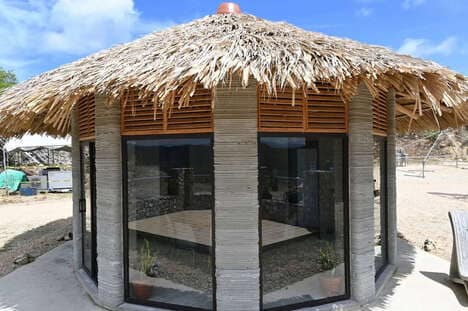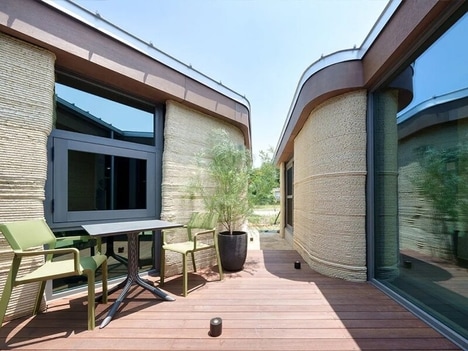
Italian architecture firm CLS Architetti teamed up with U.K.-based engineering firm Arup to devise what is set to be the world's very first 3D-printed concrete house, dubbed 3D Housing 05.
The construction procedure for this 3D-printed concrete house begins by using layers of cement mixture to forge the walls, with a robotic machine used to allow for improved dynamism in the construction process. The aesthetically focused final touches and tweaks are made by human craftspeople. The finished product is set to comprise 100 square meters of floorspace and will cost less than conventionally constructed homes of a similar size.
Ultimately, the 3D Housing 05 project is intended to test and show off the technological process behind the construction. But in doing so, the project is a business endeavor in itself as it looks to showcase cutting-edge 3D-printing technologies that could revolutionize the construction industry, with CLS Architetti and Arup at the forefront.
What's Driving This Trend
- 3d-printed Concrete Houses
- 3D printing technologies can significantly reduce the cost of conventional construction and lead to more durable, sustainable homes.
- Robotic Construction Processes
- Robots can improve the efficiency and dynamism of construction processes, leading to reduced labor costs and faster completion times.
- Cutting-edge 3D Printing Technologies
- Advancements in 3D printing can lead to the development of new materials and techniques that can be applied to various industries.
Who This Affects Most
- Construction Industry
- Disruptive innovation opportunities in the construction industry include the adoption of 3D printing and robotic construction processes to increase efficiency and reduce costs.
- Architecture and Design Industry
- 3D printing technologies can unlock new design possibilities and lead to more sustainable, efficient, and cost-effective building solutions.
- 3D Printing Industry
- The use of 3D printing in the construction industry presents new opportunities for the 3D printing industry to develop and market new materials and technologies.