Category
Lifestyle
Gifted Vessels
Wearable purification devices become more popular as a result of COVID-19.
What's Happening
Wearable Purification: As the COVID-19 pandemic continues to influence consumers' hygiene habits, wearable purification devices are becoming increasingly popular. These devices help keep the air surrounding the user clean, minimizing the risk of breathing in viruses and pollutants.
Insight
The ongoing pandemic has made the majority of consumers wary when it comes to personal space and hygiene. This shift in consumer behavior has resulted in a greater focus on products and services that help consumers' maintain their hygiene, health and peace of mind.
Evidence
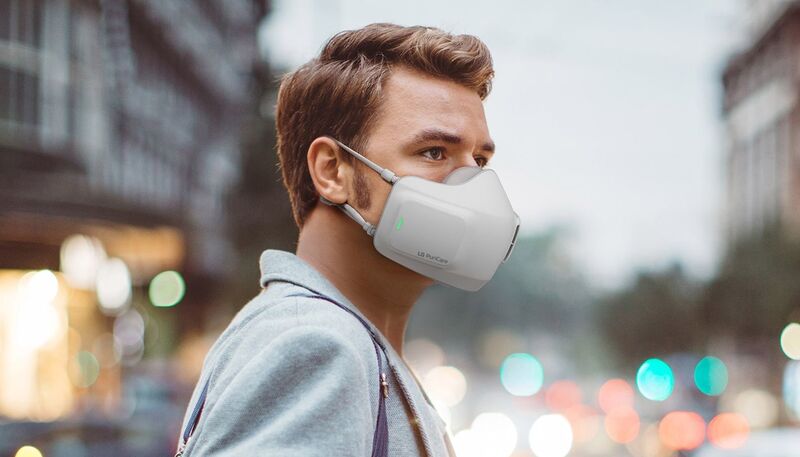
LG's PuriCare Wearable Air Purifier Has a Pair of Fans & Filters
The PuriCare Wearable Air Purifier presents disruptive innovation opportunities in the healthcare industry by combining respiratory protection and air quality monitoring in a sing…
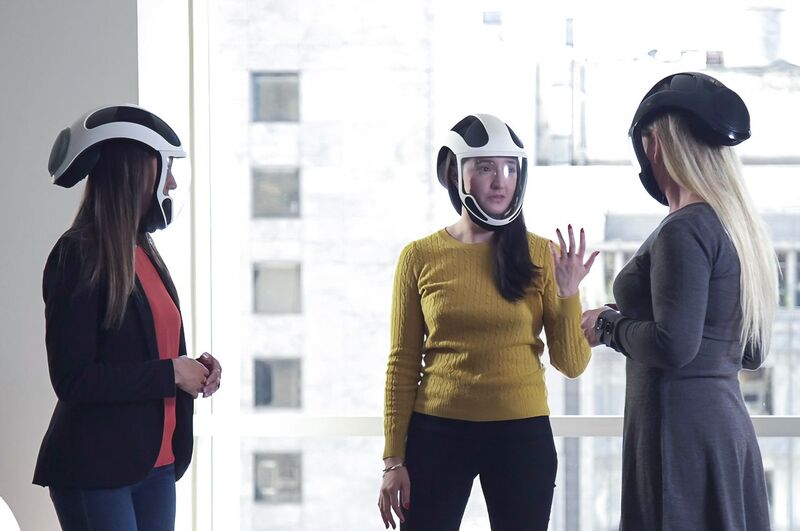
The 'Airsafe' Personal Wearable Air Purifier Offers Total Protection
The incorporation of air purifiers into PPE such as helmets, masks, and gloves presents opportunities for companies to offer a wider range of products and increase revenue streams.
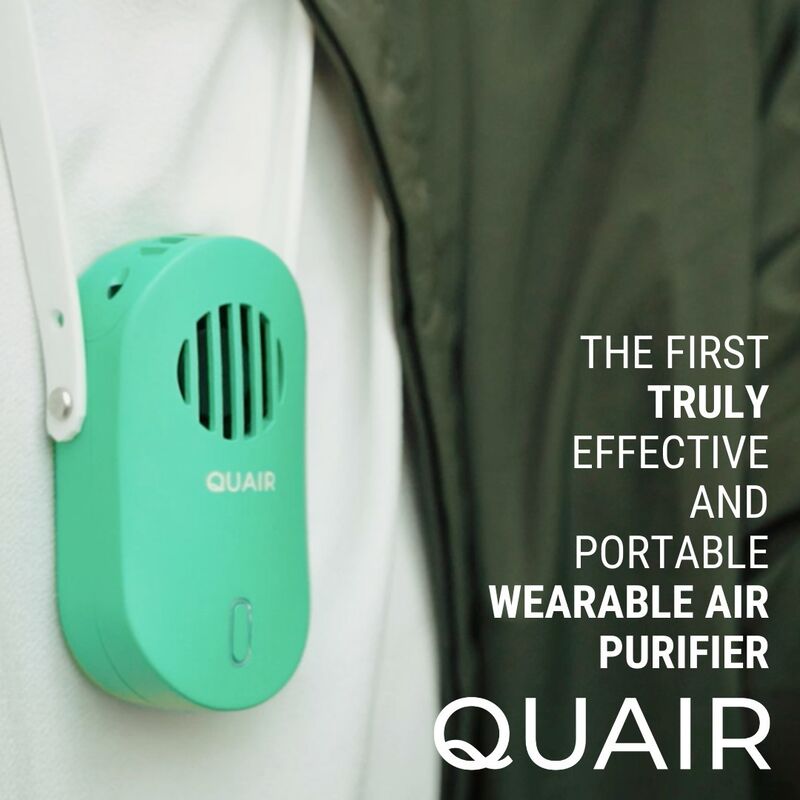
The Quair Plasma Mini Wearable Air Purifier is Compact Yet Powerful
Disruptive innovation opportunity: Integrate air purification technology into wearable devices and electronic gadgets to provide consumers with cleaner air while they go about the…
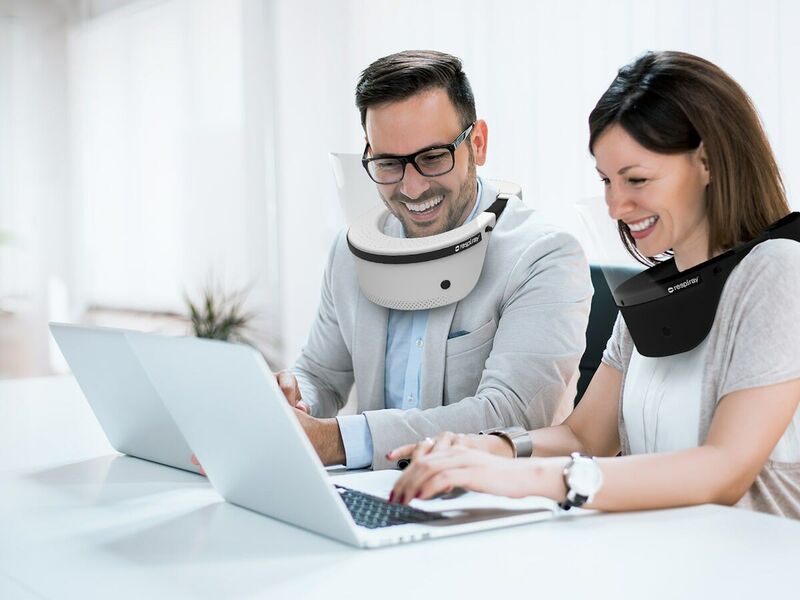
The Respiray Wearable Air Purifier Utilizes UV-C Technology
The healthtech industry can leverage wearable air purifiers to create cutting-edge products that can help individuals improve their overall health and wellness.
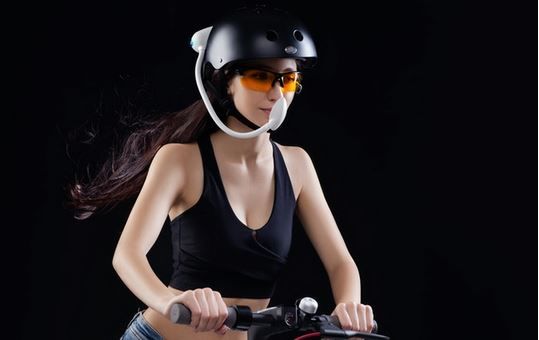
The 'IWIND' Wearable Breathing Filter Provides Fresh, Purified Air
The cycling gear industry can explore the incorporation of air purification technology into helmets and other accessories, providing cyclists with a safer and healthier riding exp…
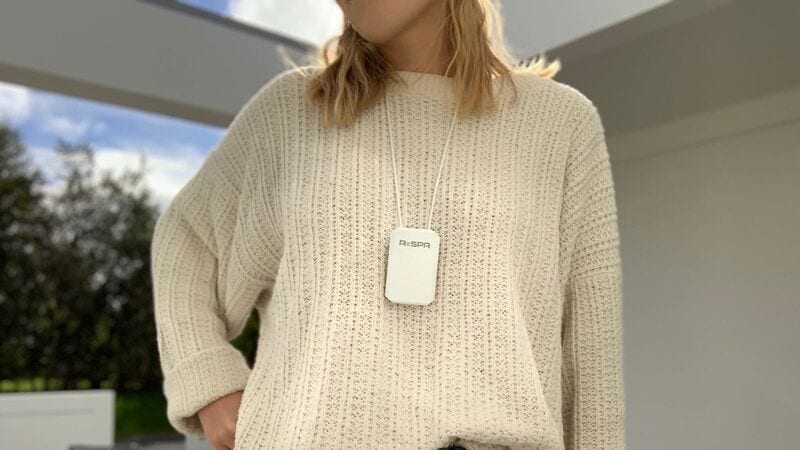
The ReSPR SeLF Wearable Air Purifier is TSA-Approved
Hospitals and healthcare providers have an opportunity to introduce wearable air purifiers for patients in high-risk areas.
Workshop question
How is your brand addressing changed consumer habits and priorities?
Trend themes
Air purification devices that can be worn by individuals have become more popular as a result of the COVID-19 pandemic, which presents an opportunity for businesses to create wearable air filtration products.
Bi-polar ionization and UV-C technology are becoming increasingly popular in the manufacturing of air purifiers, providing a potential direction for businesses who want to invest in air purification technology.
Connected smart wearable air purifiers offer a potential disruptive innovation opportunity for businesses looking to create new IoT products that monitor air quality and provide personalized air purification solutions.
Industry implications
The health and wellness industry can benefit from wearable air purifiers that promote personal hygiene and protection from air pollutants.
The environmental technology industry could explore bi-polar ionization and UV-C technology in the manufacturing of air purification devices and other products.
The IoT industry can benefit from connected smart wearable air purifiers that provide real-time air quality data and personalized air purification solutions.
Trend signals
Trend score 5.9 out of 10, from popularity 82%, activity 84%, freshness 10%.