
Driven by Frequent Desk Use, Back Health Apps and Devices Gain Popularity
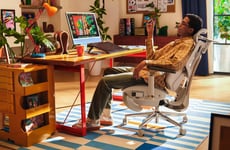
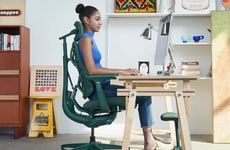
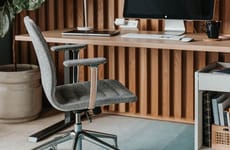
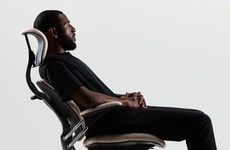
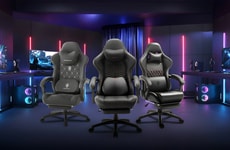
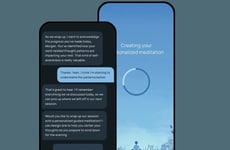
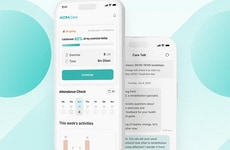
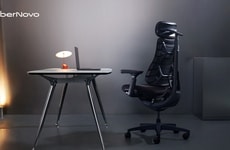
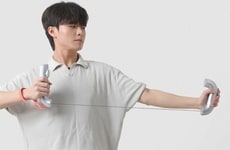
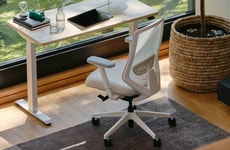
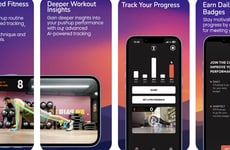
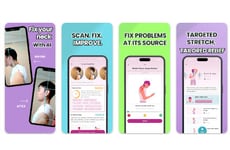
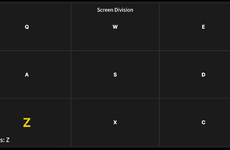
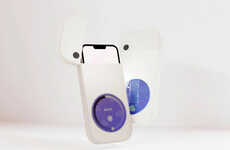
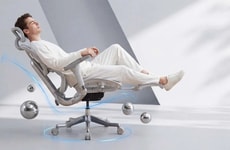
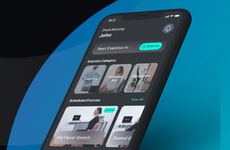
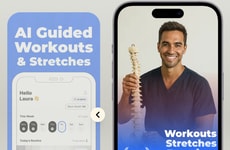
Trend - Companies are releasing back‑health tools designed specifically for desk workers, including posture‑tracking apps, wearable sensors, smart chairs and guided movement systems. These products position proactive back care as an everyday necessity to prevent long‑term discomfort.
Insight - Consumers are increasingly aware of how desk work leaves them stiff, tense and unsure how to correct the small posture habits that build into chronic discomfort. Occasional stretching or ergonomic accessories rarely feel effective. Back?health apps and devices offer clearer guidance by highlighting misalignment, prompting gentle movement and adapting support throughout the day, giving people a more practical way to manage back strain within their existing routines.
Insight - Consumers are increasingly aware of how desk work leaves them stiff, tense and unsure how to correct the small posture habits that build into chronic discomfort. Occasional stretching or ergonomic accessories rarely feel effective. Back?health apps and devices offer clearer guidance by highlighting misalignment, prompting gentle movement and adapting support throughout the day, giving people a more practical way to manage back strain within their existing routines.
Workshop Question - How can we innovate our offerings to incorporate proactive health solutions that support everyday routines for long-term wellness?
Trend Themes
-
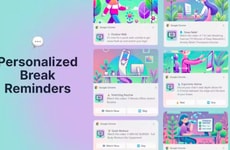
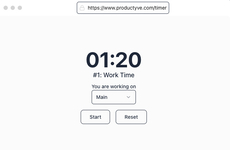
Micro-movement Wellness — Brief, guided posture resets and stretching routines are turning musculoskeletal care into a continuous workday habit, creating space for platforms that blend health support with productivity workflows.
-
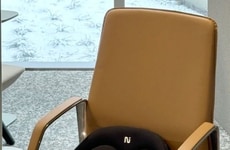
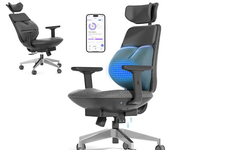
Adaptive Ergonomic Design — Furniture and devices that respond to shifting body positions are reframing office comfort as dynamic support, opening possibilities for sensor-enabled environments that personalize physical wellbeing in real time.
-
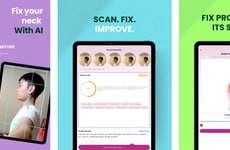
Preventative Workplace Health — AI screening, wearables and recovery spaces are moving back care upstream from treatment to prevention, suggesting new models for employer-backed benefits that reduce strain before it becomes chronic.
Industry Implications
-
Workplace Wellness — Employee wellbeing programs are expanding beyond mental health and fitness into daily physical maintenance, making scalable posture and movement solutions increasingly relevant for distributed teams.
-
Health Technology — Digital assessments, motion tracking and personalized exercise guidance are extending clinical-style support into everyday settings, enabling more accessible management of desk-related discomfort.
-
Office Furniture — Chairs, booths and workstation accessories are evolving from static products into responsive wellness infrastructure, signaling demand for hybrid-office designs that actively support long-duration work.