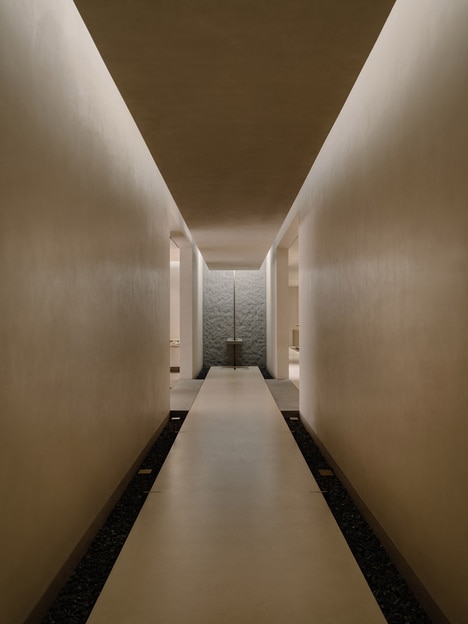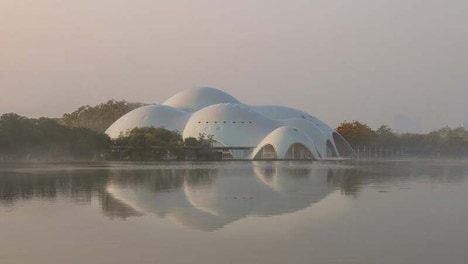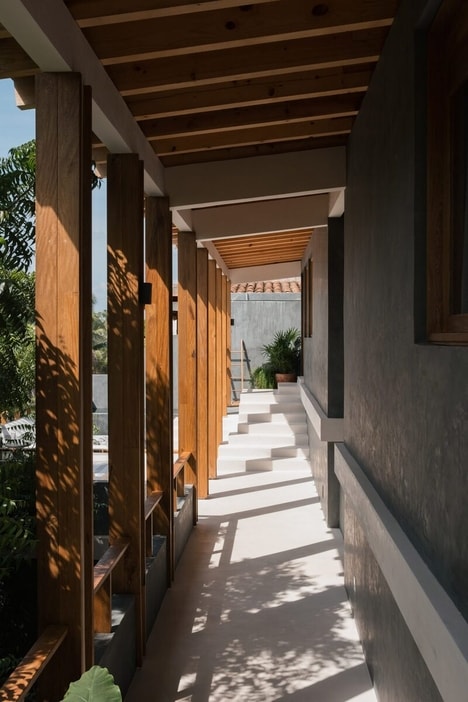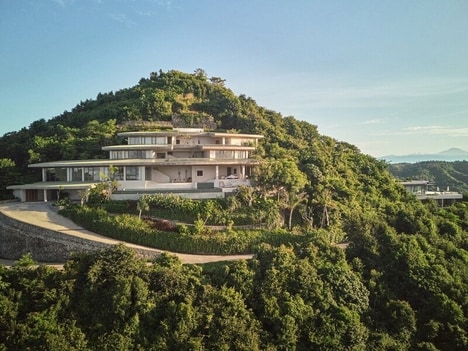
Hanoi-based design practice IDEE Architects has completed Hidden Spa - Water Hope, a spa and mud bath complex nestled within the coastal sand dunes of Bãi Dài in Cam Ranh, Vietnam. The structure has recently received the Architizer A+Awards 2026 Jury Winner in the Spa & Wellness category.
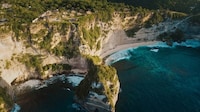
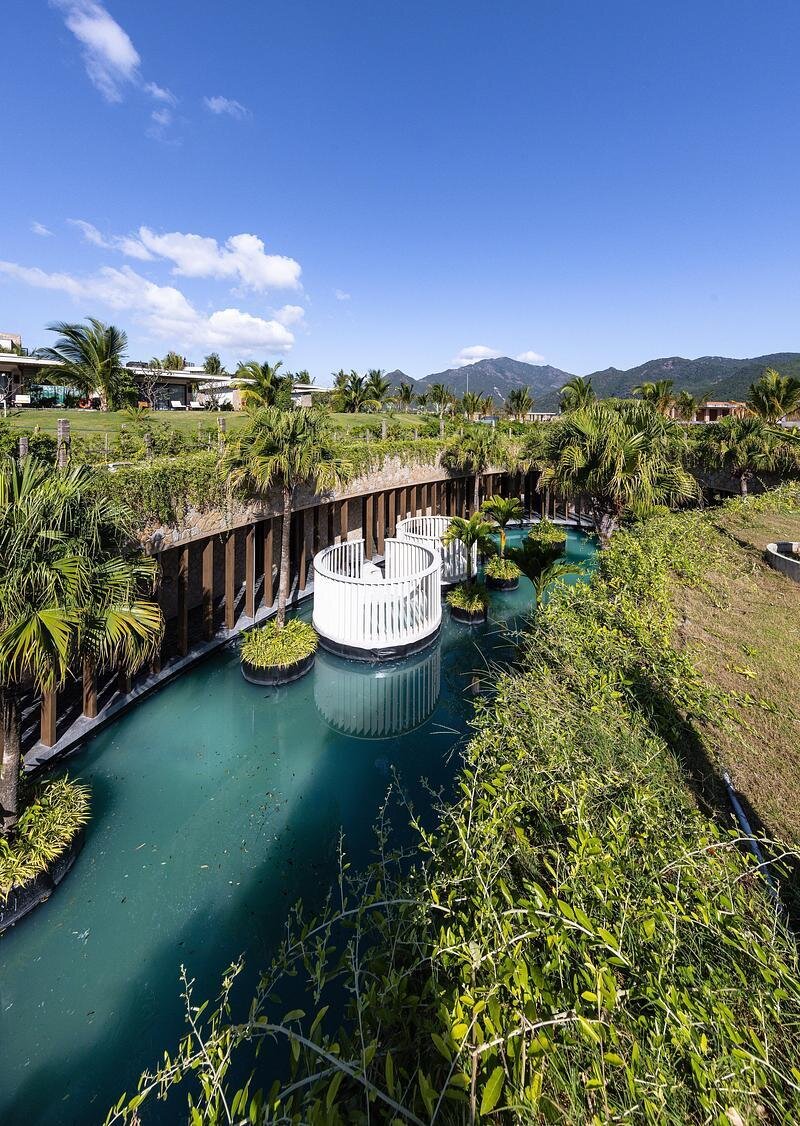
IDEE Architects' approach embraces the natural topography of the site. The Hidden Spa - Water Hope complex disappears beneath the dunes with a continuous curved structure that follows the existing sand contours. This allows visitors to walk across a planted roof while minimizing visual impact and significantly reducing excavation. At the heart of the project lies a central water courtyard that serves as both spatial and environmental core, with reflecting pools, planted islands, and shaded walkways creating a sequence of spaces where temperature, humidity, and light gradually shift.
Image Credit: Trieu Chien
Key Themes Behind This Trend
- Subterranean Wellness
- Spa environments built beneath natural landscapes create premium experiences with reduced visual disruption, suggesting new value in hospitality concepts that merge luxury service with low-impact architecture.
- Climate-adaptive Courtyards
- Central water gardens, shaded circulation, and planted islands introduce passive comfort systems that turn environmental performance into an immersive guest feature.
- Landscape-integrated Roofs
- Walkable planted roofs that extend surrounding terrain redefine building surfaces as usable wellness amenities while supporting biodiversity, cooling, and destination aesthetics.
Where This Applies
- Spa and Wellness
- High-end wellness venues are increasingly differentiated by architectural immersion, where sensory journeys through water, light, and vegetation become part of the therapeutic offering.
- Hospitality Design
- Resorts and leisure properties can gain distinction through hidden, site-responsive structures that preserve scenic value while delivering memorable guest environments.
- Sustainable Architecture
- Low-excavation construction, passive microclimate design, and terrain-following forms highlight a growing market for buildings that balance ecological sensitivity with premium experiential appeal.