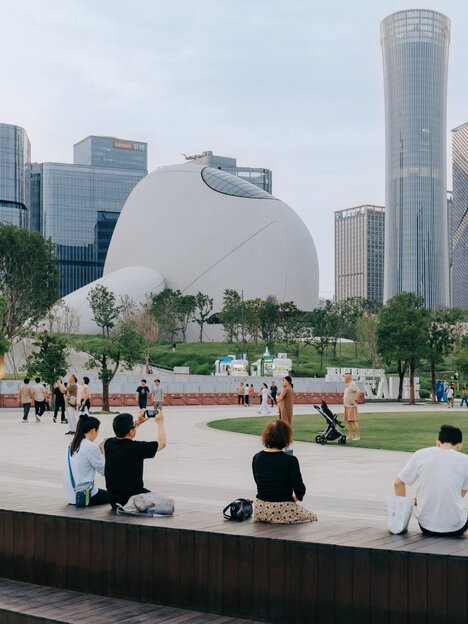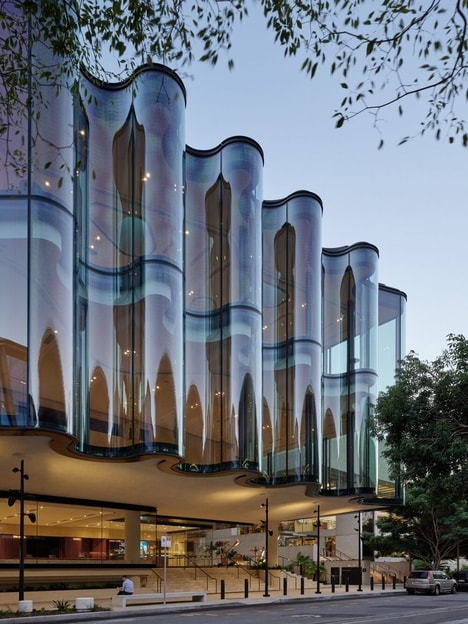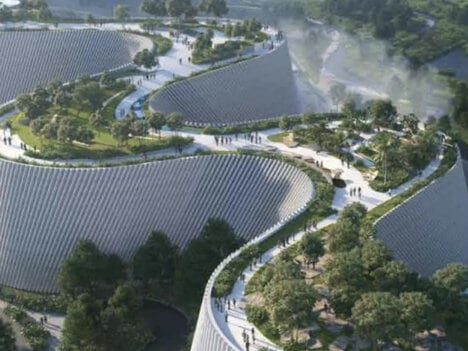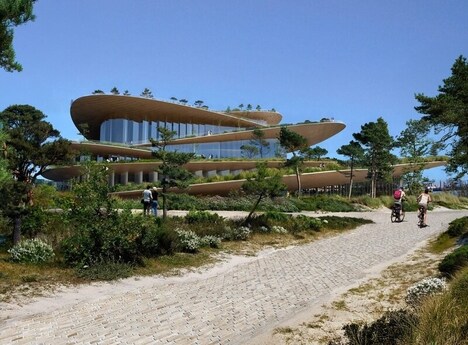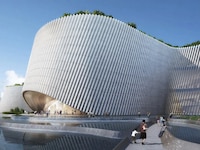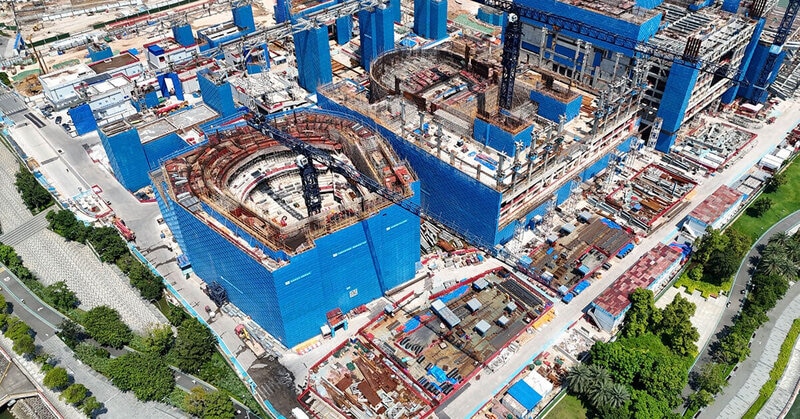
Jean Nouvel is shaping the ‘Shenzhen Opera House’ into a coastal cultural complex with a curved roof and four performance venues that tie into its waterfront setting. The project is expected to be completed by December 2028 and is designed to give opera audiences and performers a venue cluster rather than a single hall.
The program includes a 2,100-seat opera hall, plus a concert hall, a small opera hall and a multifunctional theater. Public terraces, a broad foyer and cultural facilities extend the building beyond ticketed performances, while the roof form is meant to echo waves and keep the complex visually connected to Shenzhen Bay.
A project of this scale gives Shenzhen a landmark arts venue that can host different performance formats at one address. The 2,100-seat hall anchors the offering, while the waterfront setting and public spaces make the building as much a city destination as a theater complex.
Image Credit: Ateliers Jean Nouvel, designboom, designboom
Key Themes Behind This Trend
- Waterfront Cultural Districts
- Coastal performance complexes blend landmark architecture with public realm design, creating openings for mixed-use cultural destinations that extend value beyond scheduled events.
- Multi-venue Arts Hubs
- Clustered halls for opera, concerts, theater and flexible programming reflect demand for adaptable cultural infrastructure that serves diverse audiences under one destination brand.
- Experiential Civic Architecture
- Wave-inspired roofs, terraces and expansive foyers signal a shift toward buildings that function as attractions in themselves, supporting new models for tourism, placemaking and cultural engagement.
Where This Applies
- Architecture and Design
- Large-scale waterfront venues create opportunities for signature forms, climate-responsive public spaces and destination-driven design strategies that redefine civic landmarks.
- Live Entertainment
- Integrated performance clusters enable operators to diversify programming, audience capacity and revenue streams within a single cultural campus.
- Urban Development
- Public-facing arts complexes on prime waterfront sites strengthen city branding and catalyze surrounding investment in hospitality, retail and mobility infrastructure.