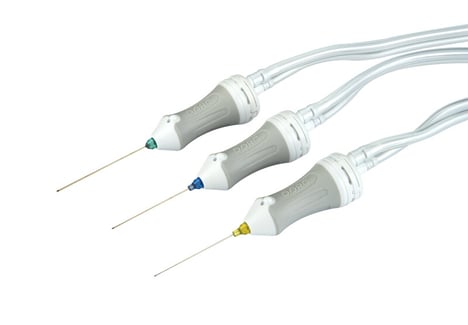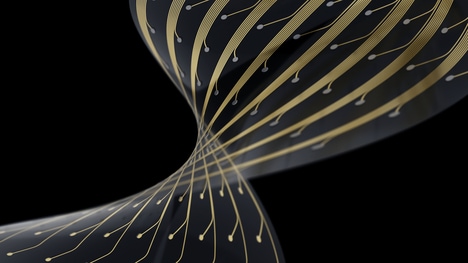
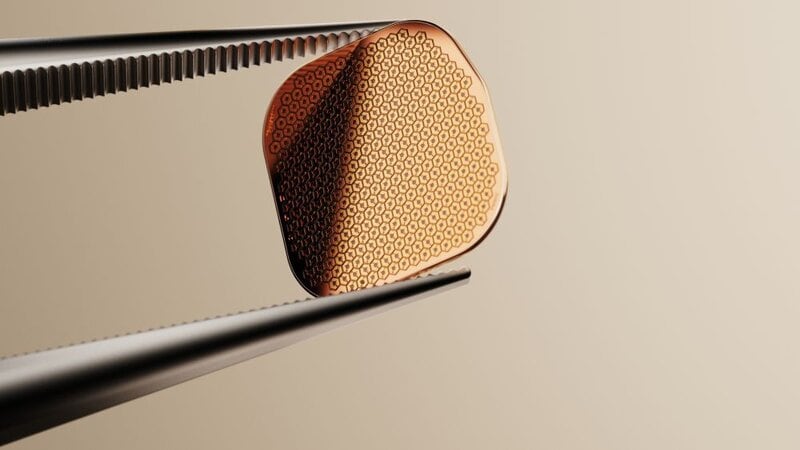
Vision-restoring brain Interfaces are moving from clinical research into commercial healthcare, offering new treatment options for patients with severe vision loss caused by geographic atrophy. Science Corporation's PRIMA system combines a subretinal photovoltaic implant with specialized glasses that transmit near-infrared light, enabling the device to stimulate the retina and restore functional central vision. Clinical trial results showed that many patients regained the ability to read letters, numbers and words, while the wireless system also includes a zoom feature to improve visual clarity.
For the healthcare industry, this milestone demonstrates the growing role of brain-computer interface technologies in treating neurological and sensory conditions beyond experimental settings. Commercial availability could encourage broader investment in neurotechnology while expanding access to advanced restorative therapies through reimbursement programs. As regulatory approvals increase, brain-computer interface devices may become a more established option for addressing vision loss and other conditions that have historically had limited treatment pathways.
Image Credit: Science Corporation
What's Driving This Trend
- Restorative Neuroprosthetics
- Commercial brain-computer interfaces are reframing severe sensory loss as a treatable condition through implantable systems that restore functional abilities.
- Wireless Vision Augmentation
- Wearable-to-implant visual systems create new possibilities for adaptive features such as zoom, contrast enhancement, and personalized image processing.
- Reimbursed Advanced Therapies
- Insurance-backed access to high-cost neurotechnology could accelerate adoption by shifting breakthrough implants from elite procedures to scalable care pathways.
Who This Affects Most
- Neurotechnology
- Brain-computer interface developers are moving beyond research labs as clinical validation supports broader applications in sensory and neurological restoration.
- Ophthalmology
- Retinal implant innovation introduces new treatment models for degenerative eye diseases that have historically offered limited options for restoring central vision.
- Medical Devices
- Hybrid implant-and-wearable platforms signal growth potential for connected therapeutic devices that combine hardware, software, and precision stimulation.