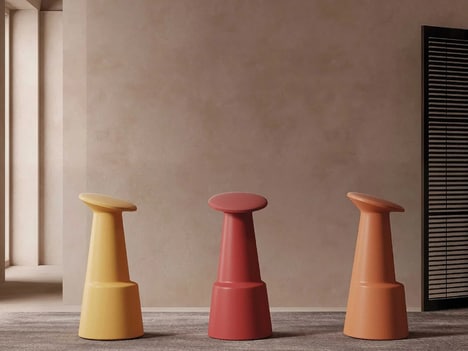
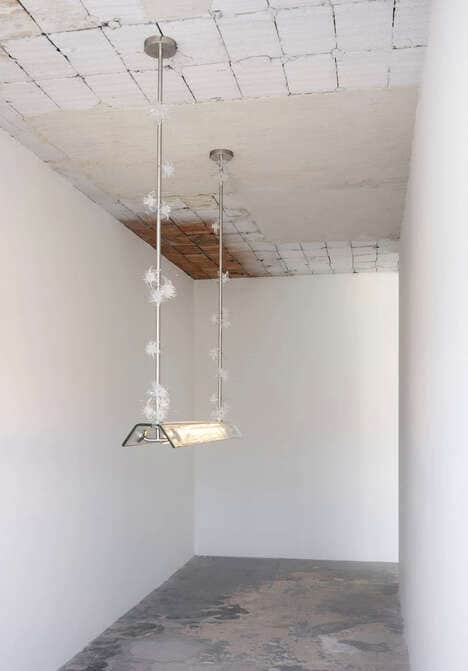
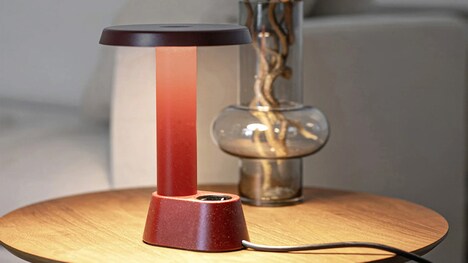
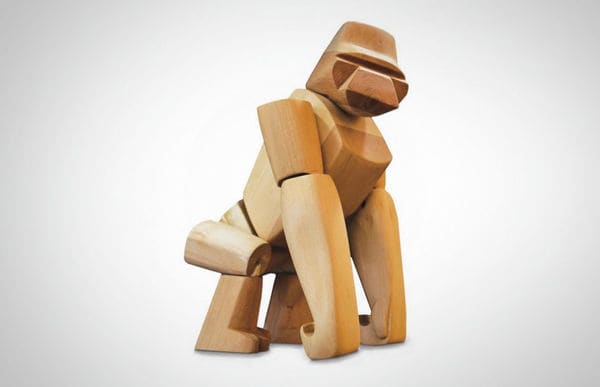
The objective behind Central Saint Martins graduate Bruno Schillinger's 'Unidentified Products' collection was to create a series of objects in which form dictates function. In other words, users can decide how to use the products based on their design scheme and structure.
Schillinger explains, "The project was fundamentally inspired by observations of people misusing objects and their remarkable ability to appropriate objects instinctively."
The designs were informed by a random process: Schillinger would choose a card from the shape, material, action and detail categories, and design the object according to the randomized criteria. This allowed Schillinger to design based on a process of "serendipity rather than rationality." The materials, which include marble, resin, concrete and brass, affect the aesthetic principals as well as the functionality of each product.
Key Themes Behind This Trend
- Form-driven Functionality
- Designing objects based on form to allow users to determine their function.
- User-driven Appropriation
- Observing users misusing and instinctively appropriating objects to inspire design.
- Serendipitous Design Process
- Designing objects based on a random process of selecting shape, material, action, and detail categories.
Where This Applies
- Product Design
- Creating objects that prioritize form-driven functionality.
- Home Decor
- Designing decor items that allow users to determine their function based on aesthetics and structure.
- Material Manufacturing
- Developing materials like marble, resin, concrete, and brass that impact both the aesthetics and functionality of products.