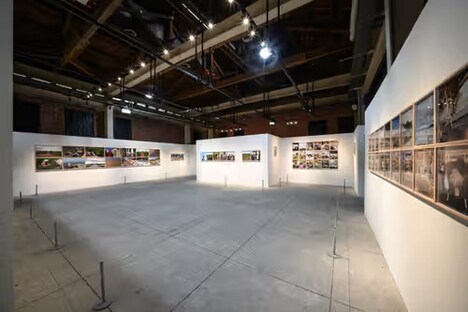
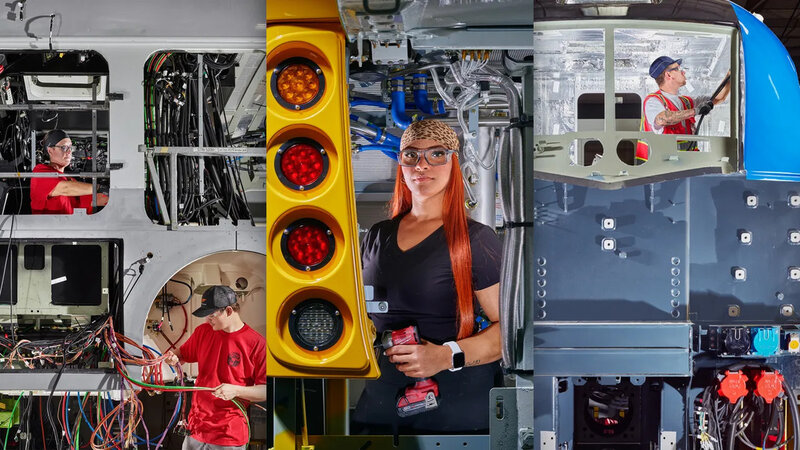
MTA Arts & Design is bringing riders inside New York City's transit back rooms with In Service: MTA Photographs by Christopher Payne, its first photography show spread across the whole system. Instead of limiting the work to a museum, the exhibit places images of train and bus repair, assembly and maintenance directly in stations, so commuters meet the network's hidden spaces during regular trips.
The installation uses 52 light boxes at five Manhattan and Brooklyn sites, including Grand Central Madison and Atlantic Av-Barclays Ctr. Payne moves from city overhaul shops to a rail-car factory in Nebraska, tying the vehicles riders board each day to the people who rebuild and assemble them.
Station placement turns transit art into part of the commute rather than a separate destination. That widens the audience for documentary photography and gives the MTA a public way to credit maintenance and factory labor inside the same system those teams keep moving.
Image Credit: MTA
What's Driving This Trend
- Commuter Photo Galleries
- Everyday travel corridors are becoming cultural venues, creating openings for media, sponsorship, and civic storytelling models that reach audiences outside traditional museums.
- Infrastructure Transparency
- Public agencies are using behind-the-scenes content to humanize complex systems, revealing potential for trust-building communications that connect users with operational labor.
- Distributed Public Art
- Art installations spread across multiple transit nodes can turn fragmented urban journeys into connected experiences, expanding possibilities for location-based engagement and cultural placemaking.
Who This Affects Most
- Public Transit
- Transit networks can evolve from mobility providers into experiential platforms where operations, culture, and passenger communication intersect.
- Museums and Galleries
- Cultural institutions face new formats for exhibition design as public spaces offer broader, lower-friction access to documentary and visual art.
- Out-of-home Media
- Station-based light boxes and display assets are gaining value as storytelling infrastructure, blending public art, branded content, and civic messaging in high-traffic environments.