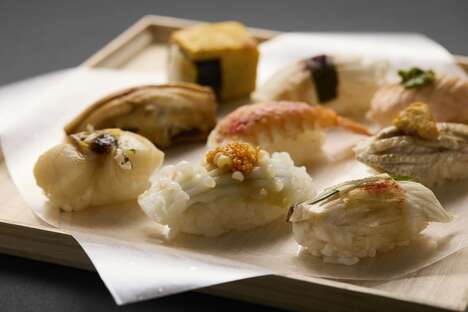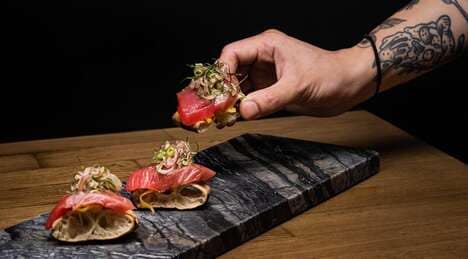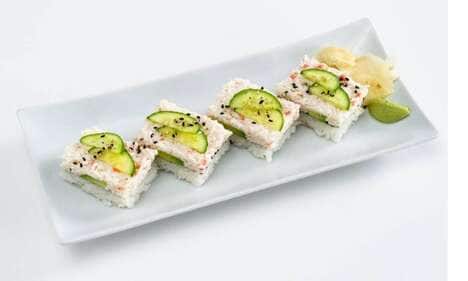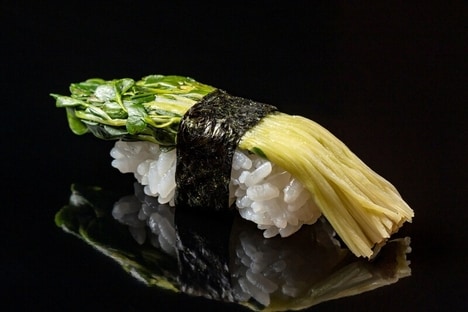


To help consumers put a healthy twist on homemade sushi, Top Tier Foods has developed sushi-grad quinoa. Though the idea of replacing rice with quinoa may sound unusual, the specially formulated grain boasts a distinctly sticky texture that makes it perfect for making maki of any kind.
Unlike regular quinoa, which is loose and crumbly, Top Tier Foods has developed a Canadian Golden Quinoa that mimics the sticky texture of short rice grains. Despite the similar texture, the sushi-grade quinoa is richer in protein, iron, and other micronutrients than white rice. As a result, the product is likely to appeal to health-conscious home cooks who are trying to up the nutritional value of their favorite Japanese dishes.
Image Credit: Top Tier Foods.
Key Themes Behind This Trend
- Sustainable Grain Alternatives
- The development of sushi-grade quinoa as a rice replacement provides an opportunity for sustainable and nutritious grain alternatives in the food industry.
- Functional Superfoods
- The creation of sushi-grade quinoa highlights the potential for incorporating nutrient-rich superfoods into innovative food products.
- Healthy Fusion Cuisine
- Sushi-grade quinoa opens up possibilities for incorporating healthy and diverse ingredients into traditional Japanese cuisine, paving the way for new fusion dishes.
Where This Applies
- Health Food
- The health food industry can explore the use of sushi-grade quinoa as a nutritious alternative to traditional rice in a variety of products.
- Plant-based Foods
- Sushi-grade quinoa offers plant-based food companies an opportunity to create sushi alternatives that cater to vegans and vegetarians.
- Functional Ingredients
- The development of sticky, nutrient-rich quinoa for sushi-making presents an opportunity for ingredient suppliers to offer innovative and functional grain options.