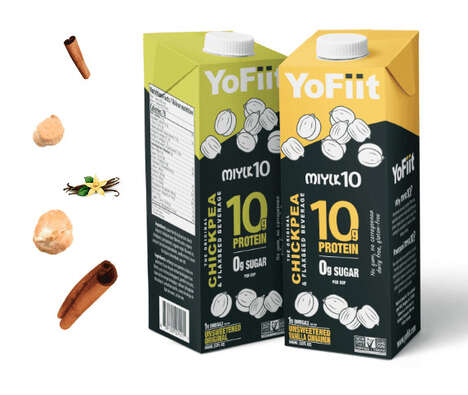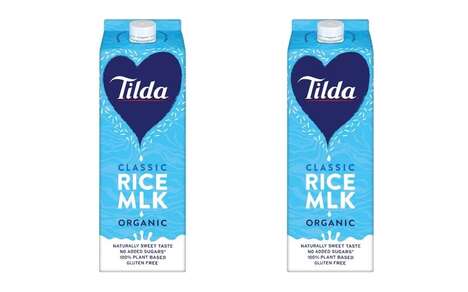
Teff is a fine grain that's been used in traditional Ethiopian cooking for centuries; now, Amandín is using it as a healthy substitute for milk.
The Amandín Organic Teff Drink is low-fat and only gets its sweetness from the natural sugars in the gluten-free teff cereal itself. In total, there are only four simple ingredients that are used to make this beverage, which is significant even in comparison to other vegetable- or nut-based beverages. As a milk alternative, this teff-based drink has a color and a creamy texture that looks just like ordinary cow's milk.
In addition to teff, other ancient grains like millet, quinoa and buckwheat are also becoming popular bases for plant-based milk alternatives. In recent years, sales of cow's milk have been dropping as more alternative milk beverages are being introduced to the market.
What Makes This Trend Stand Out
- Plant-based Milk Alternatives
- The growing popularity of ancient grain-based drinks as milk substitutes offers opportunities for innovation in the plant-based milk industry.
- Ancient Grain-based Products
- The rise of ancient grains as healthy and sustainable ingredients opens up opportunities for innovation in the food manufacturing industry.
- Gluten-free Cereal Products
- The growing demand for gluten-free options creates opportunities for innovation in the cereal and snack industry.
Sectors Adopting This
- Plant-based Milk Industry
- Amandín's teff-based milk alternative exemplifies the growth potential for innovation in the plant-based milk industry.
- Food Manufacturing Industry
- The use of ancient grains like teff, millet, quinoa and buckwheat in food products presents opportunities for innovation in the food manufacturing industry.
- Cereal and Snack Industry
- The popularity of gluten-free options like Amandín's teff-based drink creates opportunities for innovation in the cereal and snack industry.