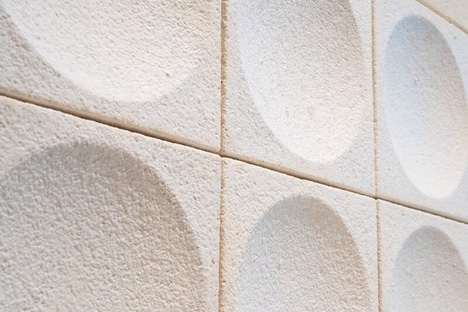
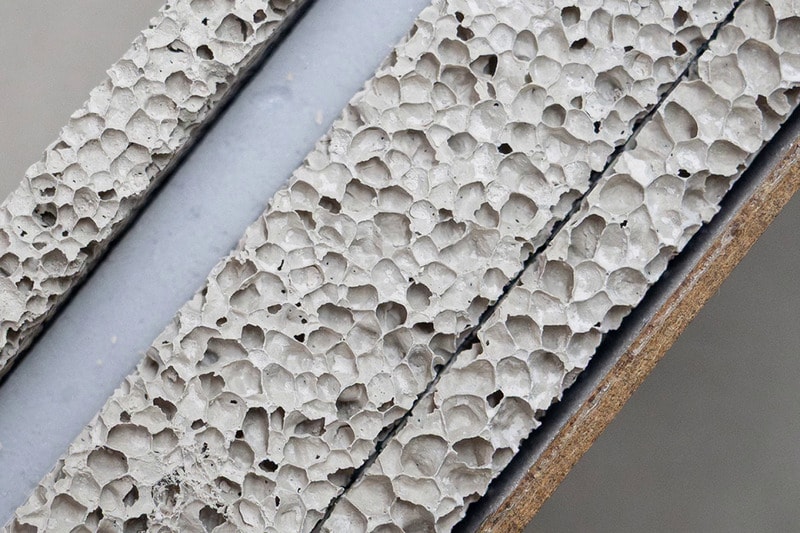
This sound absorption material was developed by the Swiss Federal Laboratories for Materials Science and Technology (EMPA) institute in collaboration with material maker De Cavis. The material is characterized by is inherently thin construction that's reported to be four-times more slender than conventional alternatives yet will perform just as effectively. The material could work effectively in stairwells, offices, classrooms and more where it could drastically curb the noise pollution from the surrounding landscape from affecting those therein.
The sound absorption material was installed by researchers in a driveway to test its performance where it helped to cut traffic noise by four decibels. The material is also crafted with a weatherproof, fireproof and recyclable design to give it a versatile, eco-friendly profile.
Image Credit: EMPA
Key Themes Behind This Trend
- Ultra-thin Soundproofing
- The emergence of ultra-thin soundproofing materials offers new possibilities for incorporating sound reduction solutions in limited spaces without sacrificing effectiveness.
- Sustainable Acoustic Solutions
- Innovations in sustainable sound absorption materials pave the way for eco-friendly noise reduction options that align with environmental standards.
- Weather-resistant Sound Dampening
- Developments in weather-resistant acoustic materials enable enhanced noise control in diverse outdoor environments, improving overall urban soundscapes.
Where This Applies
- Construction and Architecture
- The construction and architecture industry can integrate advanced thin-profile acoustic materials to meet modern noise regulation and design requirements.
- Automotive and Transportation
- The automotive industry stands to benefit from sound-dampening innovations by enhancing in-vehicle acoustics and reducing external noise impact.
- Office and Workspace Design
- Workspace design can be revolutionized by incorporating sleek sound-dampening solutions that promote quiet and concentrated environments.