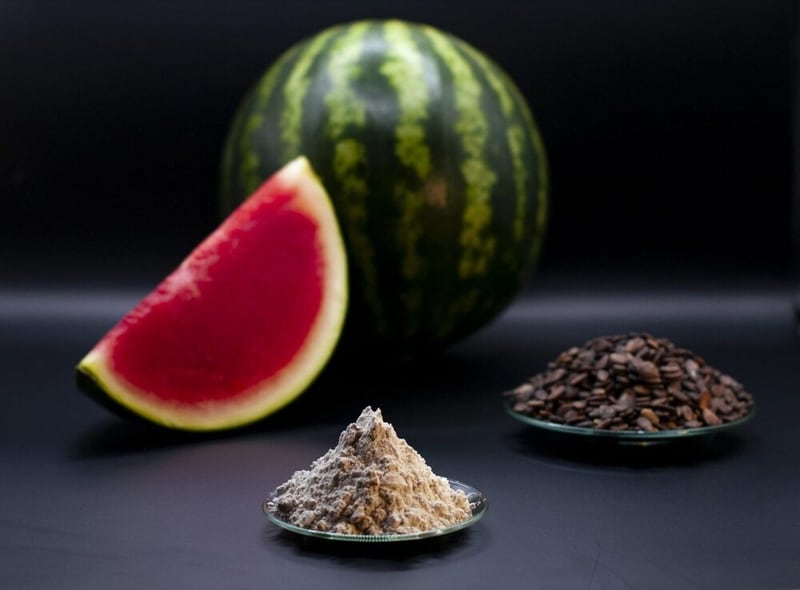
The Struvite sawdust material developed by ETH Zurich and Empa is a composite panel that uses wood waste and a mineral binder to form fire-resistant boards. The process combines sawdust with struvite, a crystalline ammonium magnesium phosphate, using an enzyme derived from watermelon seeds to guide crystal growth. This forms mineral structures between wood particles, binding them into a solid panel through cold pressing and air drying.
When it is exposed to heat, the struvite material releases both water vapour and ammonia, which absorb heat and reduce oxygen at the surface. This slows combustion and forms a protective char layer. Testing shows the material takes over three times longer to ignite than untreated wood and can approach the fire performance of cement-based panels while using less binder and reducing overall weight.
Image Credit: Ronny Ku?rsteiner
What Makes This Trend Stand Out
- Biomineral Composite Materials
- Integration of biogenic minerals with waste biomass creates lightweight, fire-resilient panels that could shift building material performance and supply chains.
- Enzyme-guided Crystal Engineering
- Using enzymes to template crystal growth enables low-temperature manufacturing of functional composites with reduced binder use and tailored thermal-release properties.
- Circular Waste-to-building Material
- Upcycling sawdust into high-performance panels exemplifies circular-material flows that can lower carbon footprints and monetize wood waste streams.
Sectors Adopting This
- Construction and Building Materials
- Fireproof wood panels present an avenue for lighter, more sustainable structural and finish materials that approach cement-like fire performance while reducing embodied energy.
- Fire Safety and Passive Protection
- Materials that emit endothermic vapors and form protective char layers open new possibilities for passive flame-retardant systems in interiors and structural assemblies.
- Wood Products and Furniture Manufacturing
- Incorporation of mineral-bound wood composites could enable safer, thinner, and lighter furniture and joinery products with improved fire ratings.