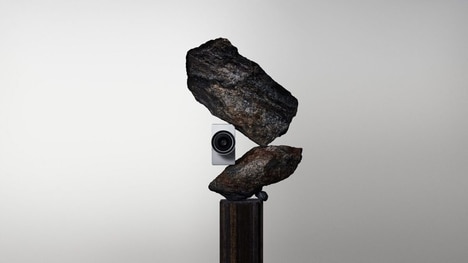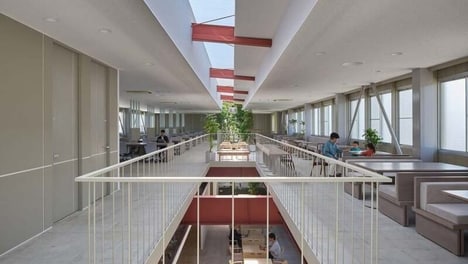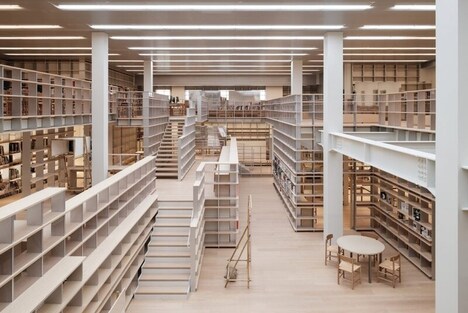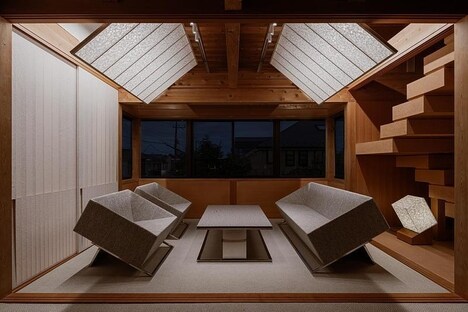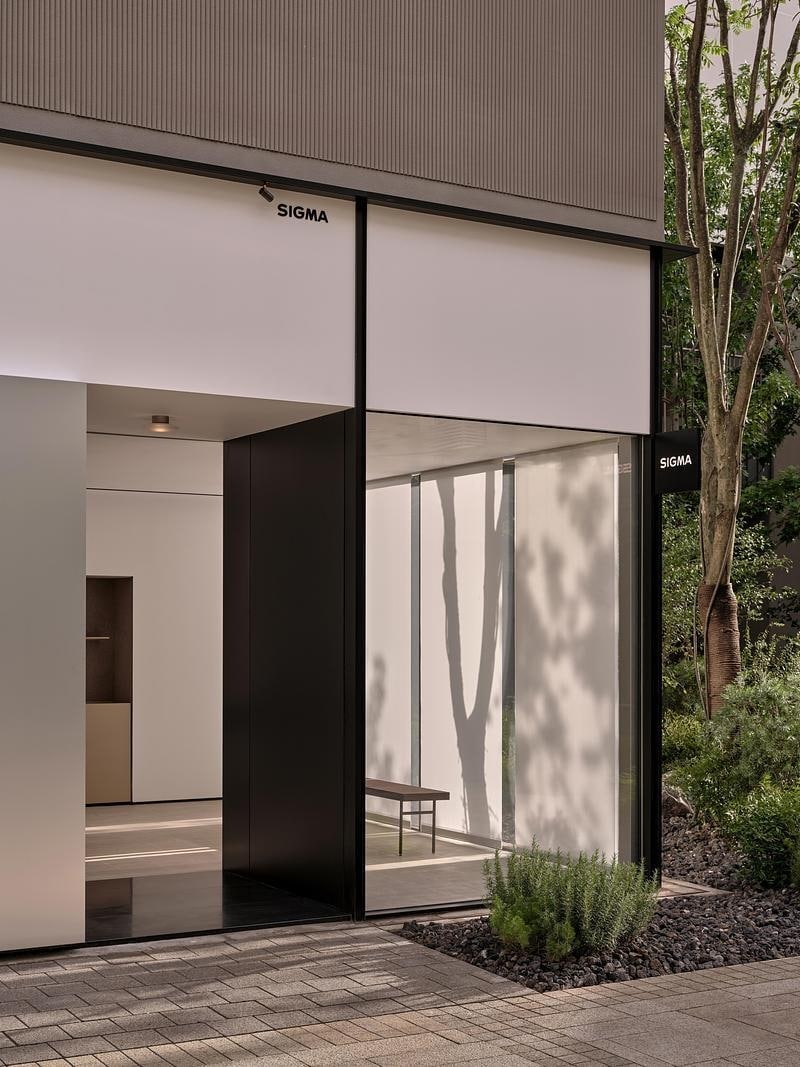
The Sigma Space in Shanghai, which was designed by ONOAA STUDIO, is a 500-square-meter environment for the brand SIGMA. The project integrates reception areas, product displays, and gallery zones into a cohesive whole meant to express the idea that technology ultimately leads to art rather than merely function.
The Sigma Space design draws on SIGMA’s Japanese craftsmanship heritage. ONOAA STUDIO incorporated tactile materials, thoughtful lighting, and details inspired by the Aizu factory’s precision manufacturing techniques. This results in a warm and serene atmosphere that avoids the cold, sterile feeling often associated with technology showrooms.
Visitors to the Sigma Space move through zones that represent the concepts of being, crafting, and seeing, which correspond to different ways of experiencing both the products and the brand’s philosophy. In essence, the interior transforms product exploration into something closer to visiting an art gallery.
Image Credit: Jonathan Leijonhufvud
What's Driving This Trend
- Minimalist Brand Environments
- Spaces that strip back visual clutter to foreground product narrative and emotional resonance create new models for retail that prioritize contemplation over transaction.
- Craftsmanship-led Tech Retail
- Design languages rooted in artisanal heritage and tactile materials are reframing electronic goods as handcrafted objects with cultural value rather than purely functional devices.
- Experiential Product Galleries
- Curated, gallery-like pathways that sequence discovery through thematic zones turn product exploration into a narrative experience rather than a conventional showroom visit.
Who This Affects Most
- Consumer Electronics Retail
- Showrooms that emphasize tactile finishes, warm lighting, and storytelling spatial layouts can shift purchasing from hurried transactions to considered engagements.
- Luxury Lifestyle Brands
- Brands integrating museum-quality presentation and heritage cues are able to elevate perceived value and foster deeper emotional connections with discerning customers.
- Architectural and Interior Design Firms
- Design practices focused on blending precision manufacturing aesthetics with serene, human-centered materials can open opportunities for hybrid commercial-art spaces.