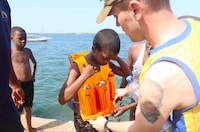
These high-tech lifejackets, developed by Ireland-based company Mullion Survival Technology, could reduce the death toll wrought by sea disasters like the recent, tragic ferry disaster in South Korea.
The Mullion Jacket is fitted with a transponder, which communicates with a satellite to pinpoint the wearer’s exact location. Upon contact with the water, the lifejackets GPS system kicks in and alerts the closest coast guard rescuer to the wearer’s location. Individual jackets and wearers are registered, so the lifejacket is able to identify exactly which individual is in trouble, in addition to their location.
The Mullion Jacket also has automatic lighting and inflation systems activated on contact with the water. This is an example of the kind of technology that could mark the difference between life and death, and minimize the human toll of sea disasters.
Why This Trend Is Growing
- GPS Lifejackets
- The technology used in GPS lifejackets holds enormous potential for both the safety and marine industries.
- Personal Safety Wearables
- Mullion Jacket's use of GPS technology in their lifejackets could pave the way for the creation of other personal safety wearables.
- Smart Life-saving Equipment
- Smart life-saving equipment like the Mullion Jacket highlights the potential for integration of various technologies to ensure better safety on the water.
Industries Being Reshaped
- Marine Industry
- There is an opportunity for companies in the marine industry to invest in smart life-saving equipment to improve safety and reduce fatalities.
- Search and Rescue Industry
- The search and rescue industry could integrate the GPS technology used in the Mullion Jacket to improve their response times and save more lives.
- Sporting Industry
- The personal safety aspect of the Mullion Jacket and other similar products could be marketed to the sporting industry, especially water sports like kayaking and sailing.