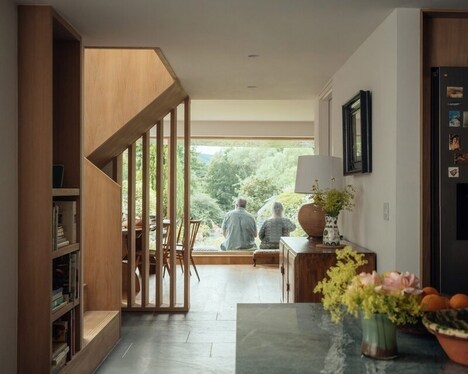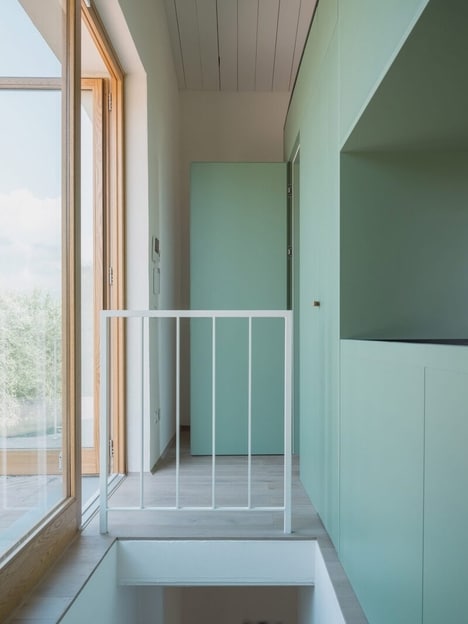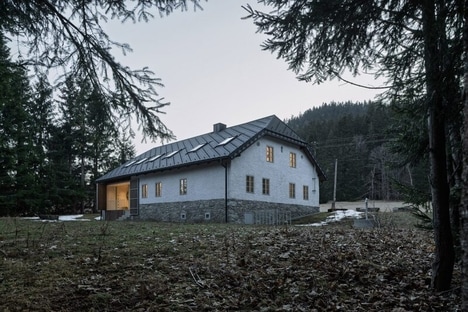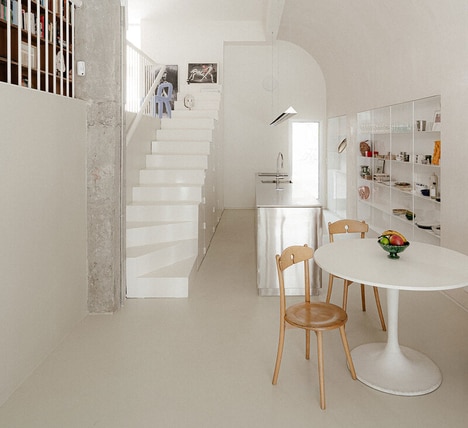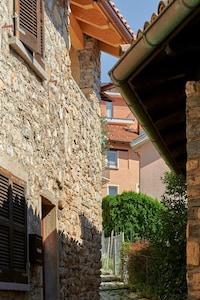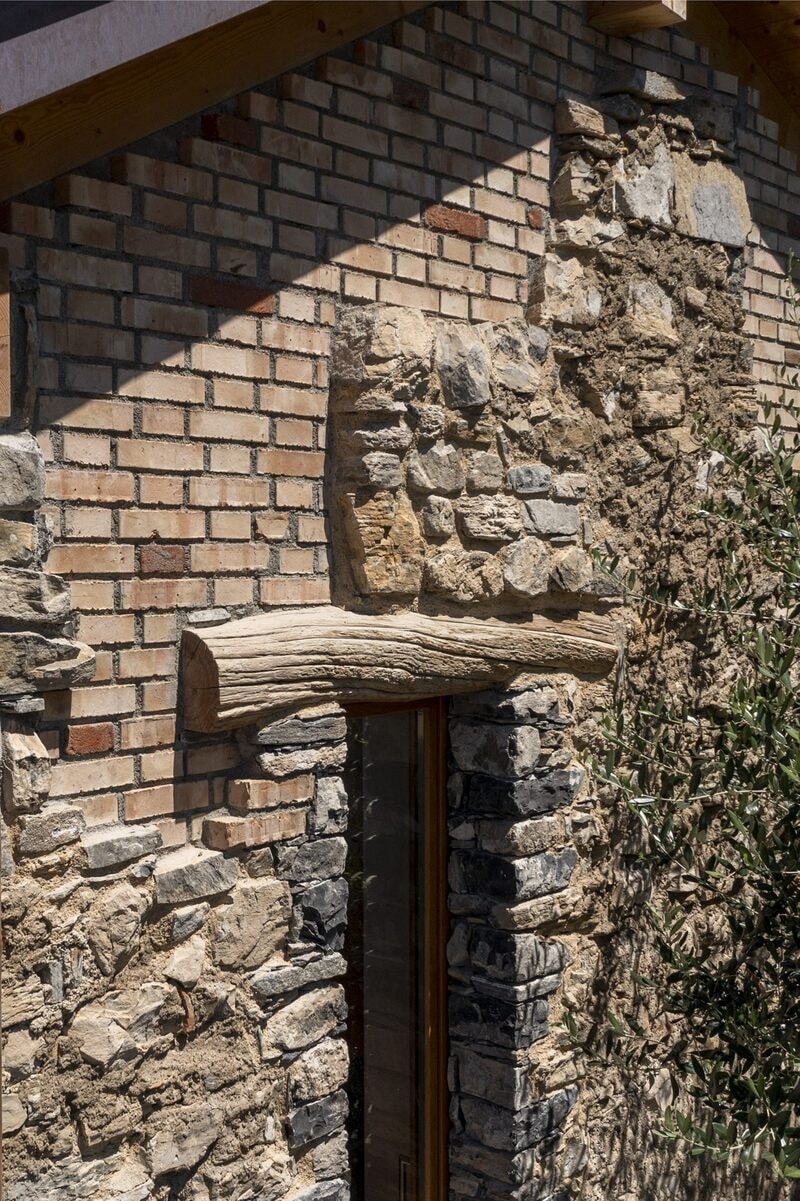
The Rustic Renovation by architect Enrico Sassi transforms a dilapidated stone wood store in a Swiss hamlet into a charming two-level micro home. With just 14 m² of space, the conversion repairs original stone walls, adds a pitched clay-tile roof, and introduces a new window framed in chestnut—reviving a forgotten structure with care and integrity.
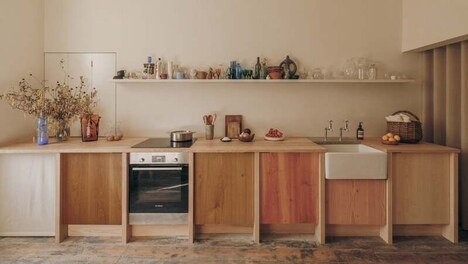
Inside, the Rustic Renovation maximises functionality with a raised mezzanine, alternating old and new timber beams, and multi-purpose furnishings. The lower level houses a fold-down bed, hidden storage drawers, and a compact bathroom, while the upper level offers a kitchenette and dining area with inspiring views to the outdoors. This modest renovation is both rooted in memory and forward-thinking, offering a soulful example of sustainable micro-living in rural settings.
Image Credit: Marcelo Villada Ortiz
What's Driving This Trend
- Micro-living Design
- Architectural adaptations that transform small structures into livable homes spotlight the potential for sustainability and efficiency in micro-living.
- Rustic Aesthetic Revival
- The resurgence of rustic aesthetics in modern architecture taps into consumer nostalgia while cleverly integrating contemporary functional elements.
- Adaptive Reuse Architecture
- Revitalizing neglected buildings into functional spaces embraces historic preservation and sustainable development in urban and rural settings.
Who This Affects Most
- Sustainable Architecture
- Innovations in eco-friendly designs for small spaces challenge traditional building practices, promoting both environmental responsibility and aesthetic charm.
- Furniture Manufacturing
- The demand for multi-purpose furniture solutions in compact homes is driving furniture manufacturers to create versatile and space-saving products.
- Real Estate Development
- Opportunities arise in developing small-scale properties that leverage adaptive reuse to meet the growing interest in sustainable and charming living spaces.