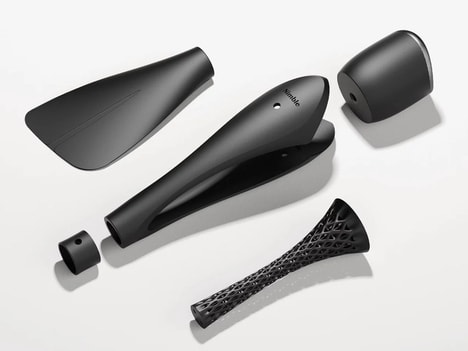
A baby penguin received a prosthetic beak after its natural beak was shattered by a boat propeller near Rio de Janeiro. The five-month-old couldn't eat and would have died if the doctors had not intervened.
Now that he has a prosthetic beak, doctors expect the little penguin to make a full recovery. He will travel to California for rehabilitation at a breeding center. The prosthetic beak procedure was the first of its kind in Brazil.
Key Themes Behind This Trend
- Prosthetic Animal Body Parts
- Advancements in prosthetic technology for animals create opportunities for companies to offer specialized prosthetic devices for pets and wildlife.
- Animal Rehabilitation Centers
- The demand for animal rehabilitation centers increases due to the growing number of animals with prosthetic body parts.
- Marine Animal Conservation
- Prosthetic technology could be used in marine animal conservation efforts, providing injured animals a second chance at living in the wild.
Where This Applies
- Veterinary Medicine
- The veterinary medicine industry could explore new opportunities for developing advanced prosthetic implants and devices for animals.
- Wildlife Rehabilitation Centers
- The growing trend towards animal prosthetics creates opportunities for wildlife rehabilitation centers to apply these advancements to help treat and rehabilitate injured wildlife.
- Marine Conservation Organizations
- Marine conservation organizations could leverage the use of prosthetics technology to aid in the conservation of marine animal species and provide rehabilitation for injured marine wildlife.