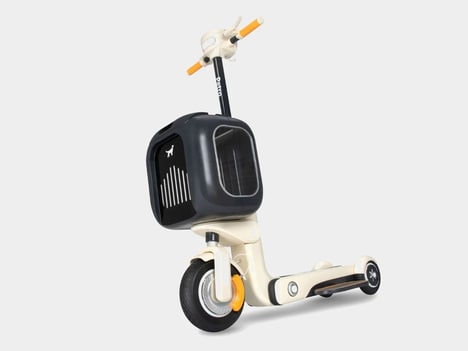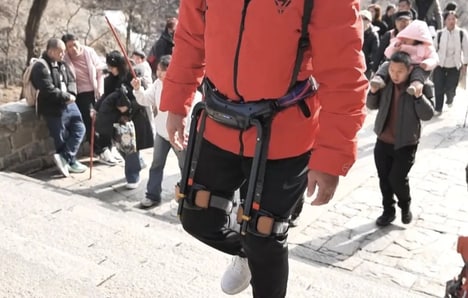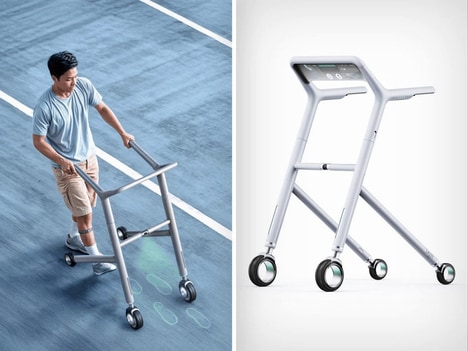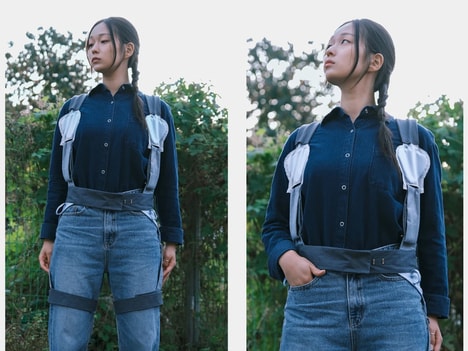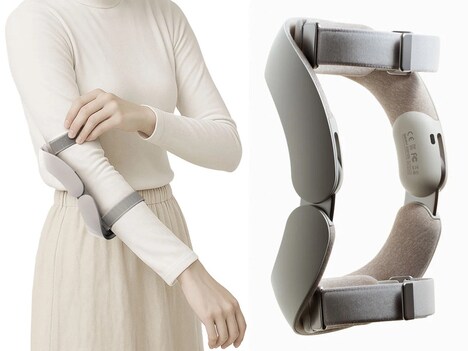
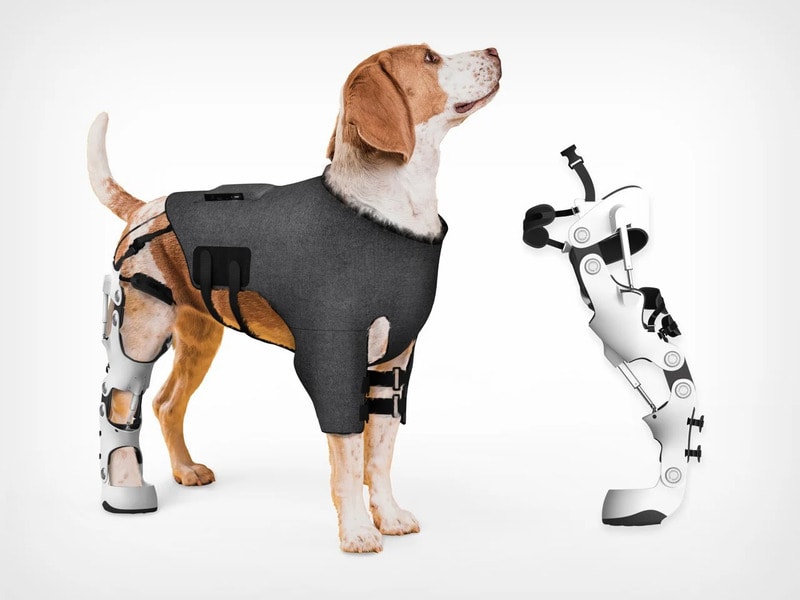
The Pet Power Assistive Exoskeleton has been designed by Leijing Zhou as a healthcare solution for pet owners to benefits from to help their furry friend rehabilitate from an injury. The device comes in the form of a miniaturized exoskeleton that would fit snuggly onto the leg of a pet to offer walking support after an injury has been sustained. The unit connects more broadly across the pet to a medical-style garment that would work dynamically with the dog's body to help them move more freely after sustaining an injury.
The Pet Power Assistive Exoskeleton focuses on personalization given the differences from dog to dog and is thus achieved with 3D printing technology that could also help to maximize the number of clinics that could offer it.
What's Driving This Trend
- Customized Pet Rehabilitation
- The use of 3D printing technology for personalized exoskeletons provides bespoke rehabilitation solutions for pets, enabling tailored recovery processes.
- Pet Healthcare Innovations
- The development of assistive exoskeletons demonstrates how advanced technologies are being integrated into pet healthcare, expanding the possibilities for animal injury treatment.
- Miniaturized Assistive Devices
- The creation of smaller-scale exoskeletons for pets illustrates a trend toward the miniaturization of assistive devices, potentially leading to broader applications across various species.
Who This Affects Most
- Veterinary Technology
- Innovations like the pet exoskeleton spotlight growth within veterinary technology, emphasizing the significance of adopting advanced medical devices in animal care.
- 3D Printing Services
- The requirement for personalized exoskeletons underscores a potential boom in 3D printing services, especially aimed at niche markets like pet rehabilitation.
- Wearable Technology
- The introduction of exoskeletons for dogs marks an expansion of the wearable technology industry into new markets, including a focus on non-human users.