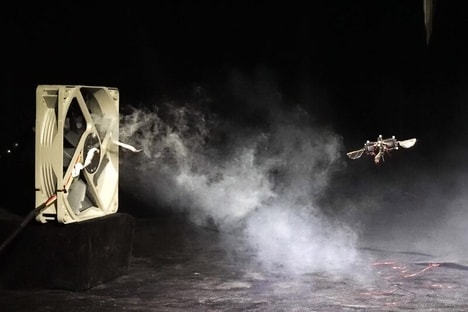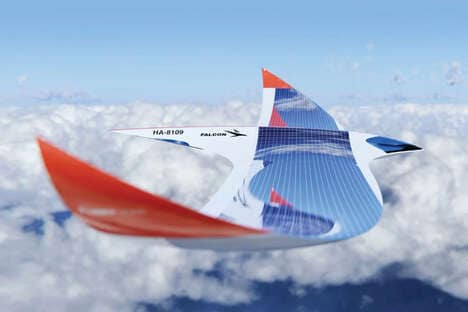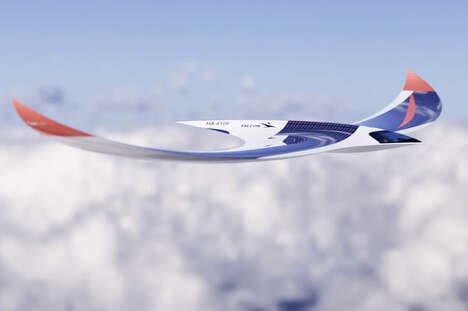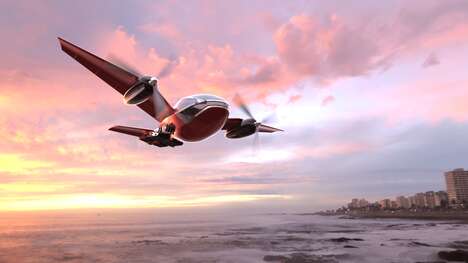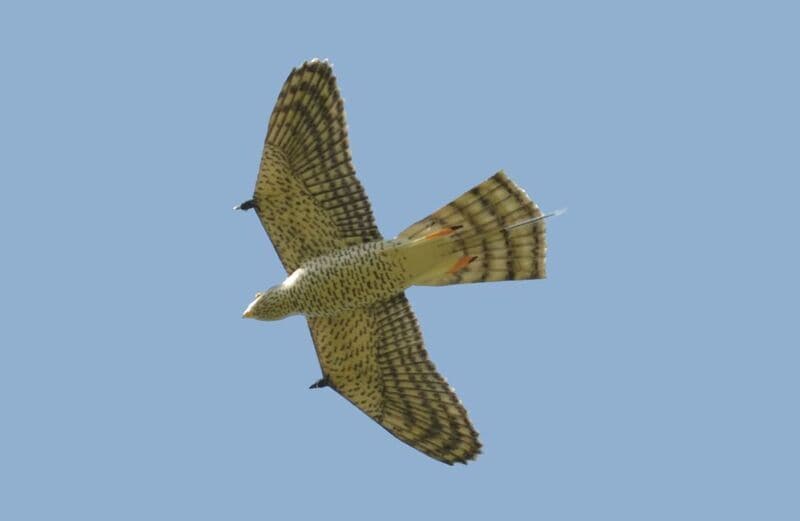
Oftentimes, many different birds are accidentally sucked into jet engines or hit by propellers whilst in the air, and to combat that problem is the Falcon Robot. It is conceived by minds at the University of Groningen, the University of Tuscia, Roflight, Lemselobrink, and the Royal Netherlands Air Force.
It is inspired by the peregrine falcon and the team decided that it might be the most successful at scaring away small birds from the dangerous jets. The robot itself is made from fiberglass and polypropylene composite material. There are two propellers that are attached to each wing in order to help it to take flight. It weighs 0.15 lbs and is much lighter than traditional drones.
Image Credit: Rolf F. Storms et. al./Journal of the Royal Society (CC BY 4.0)
What Makes This Trend Stand Out
- Aerial Predator-inspired Robotics
- Creating aerial robots inspired by natural predators to solve real-world problems such as bird strikes.
- Lightweight Drone Technology
- Developing lightweight drone technology to optimize flight efficiency and reduce environmental impact.
- Integrated Robotics and Aviation Initiatives
- Developing collaborations between robotics and aviation experts to create innovative aviation safety solutions.
Sectors Adopting This
- Aviation Industry
- Implementing aerial predator-inspired robotics to prevent bird strikes and improve aviation safety.
- Robotics Industry
- Developing lightweight drone technology and integrated robotics and aviation initiatives to improve flight efficiency.
- Environmental Conservation Industry
- Exploring new ways to utilize drone technology to minimize environmental impact, such as reducing bird strikes.