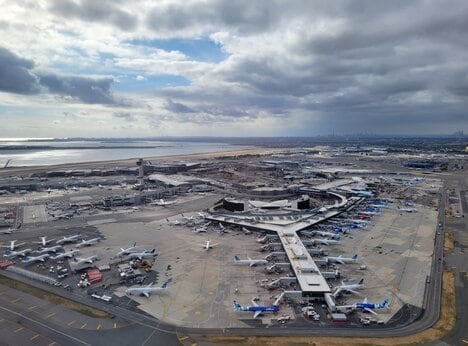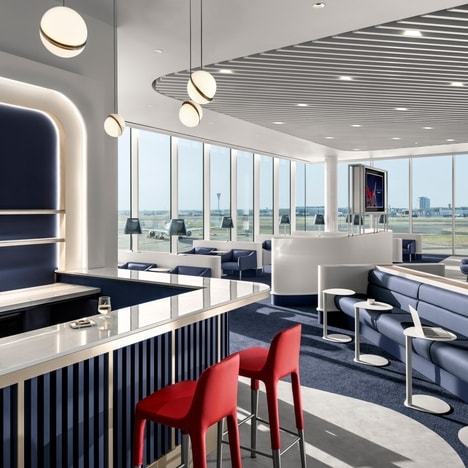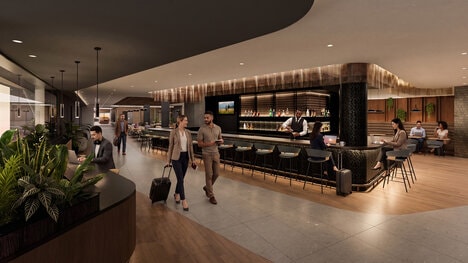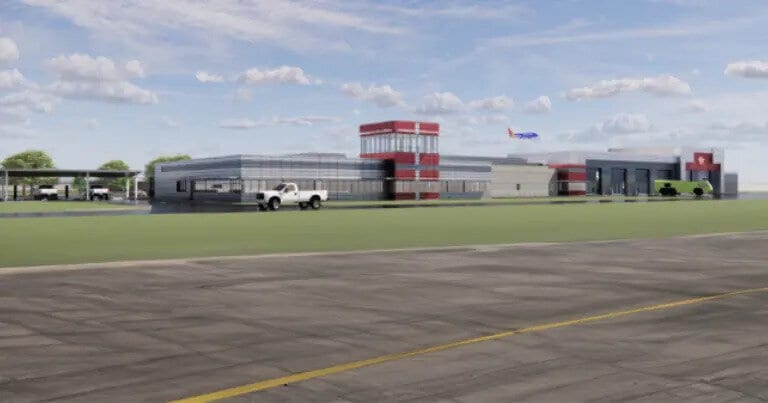
Metropolitan Washington Airports Authority is adding a dedicated VIP terminal for commercial airline passengers at Washington Dulles International Airport, a first for the National Capital Region. With daa International set to develop, lease and operate it, the facility offers private security screening for travelers who want a separate route through Dulles without switching to private aviation.
The terminal will cover 37,000 square feet on a 1.2-acre site near the cargo area. Private vehicle transfers directly to the aircraft keep those passengers out of the main concourse for more of the trip.
Access for passengers on any commercial airline turns VIP airport service into an upsell tied to scheduled flights, not just private aviation. The 20-year operating term, after a 30-month build, gives Dulles a long runway to sell higher-end airport access within its existing passenger mix.
Image Credit: Shutterstock/Steve Heap
What's Driving This Trend
- Commercial VIP Terminals
- Airports are separating premium passenger flows from main concourses, creating new revenue layers around privacy, speed, and comfort within standard airline travel.
- Private Security Screening
- Dedicated screening lanes and secluded processing areas are redefining airport convenience by monetizing reduced friction without requiring travelers to use private jets.
- Airline Upsell Experiences
- Premium ground services tied to scheduled flights expand ancillary revenue potential by turning the airport journey into a tiered hospitality product.
Who This Affects Most
- Airport Operations
- Terminal operators gain opportunities to diversify income through premium access models that serve commercial passengers outside traditional lounge and concourse formats.
- Travel Hospitality
- Luxury service providers can extend concierge-style experiences into airports by blending privacy, transfers, and personalized processing into the travel path.
- Commercial Aviation
- Airlines and airport partners benefit from new service tiers that enhance passenger segmentation while preserving the efficiency of scheduled flight networks.