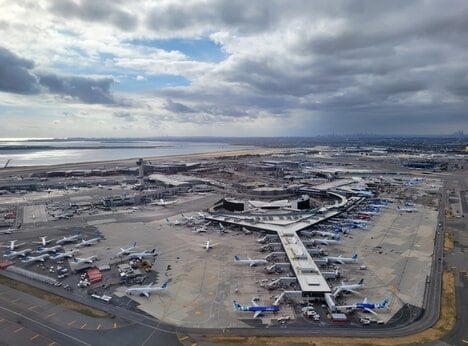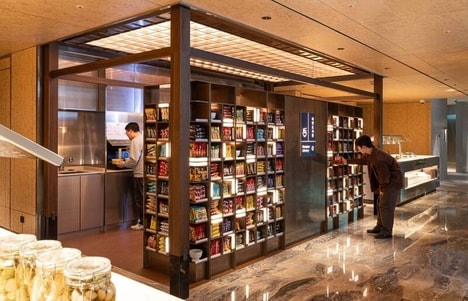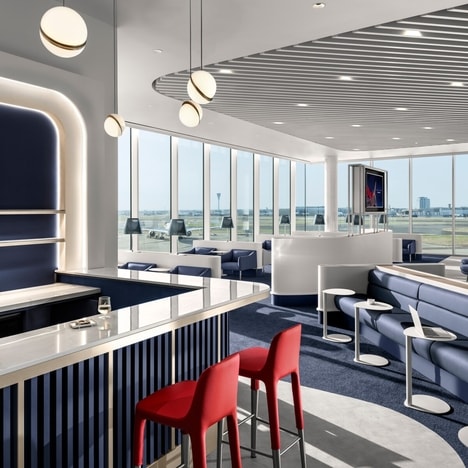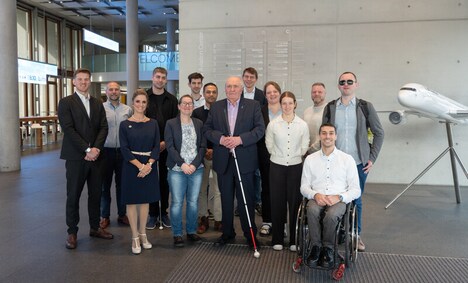

Star Alliance plans to establish a dedicated lounge at Incheon International Airport’s Terminal 1 under a memorandum of understanding with Incheon International Airport Corporation. The facility is intended to maintain lounge access for eligible passengers after Asiana Airlines leaves Star Alliance on Dec. 16, 2026, as part of its integration with Korean Air.
The lounge will serve passengers traveling with 14 Star Alliance member airlines that connect Incheon to 29 destinations. It will become the alliance’s seventh branded lounge worldwide, joining facilities at Paris Charles de Gaulle, Los Angeles International, and Guangzhou Baiyun International airports. Incheon ranked first globally for international passenger traffic in the first half of 2026. For passengers, the project preserves shared lounge access at a major international hub. It also reflects a broader trend of airline alliances investing in common airport infrastructure as memberships and carrier networks change.
For Star Alliance, the lounge protects its premium-service proposition after Asiana’s departure while giving member carriers a consistent Terminal 1 experience.
Image Credit: Future Travel Experience
What Makes This Trend Stand Out
- Alliance-branded Lounges
- Shared premium spaces are becoming strategic infrastructure as airline groups preserve consistent benefits across shifting member networks.
- Premium Hub Continuity
- Major airports are gaining value from services that protect high-tier passenger experiences during mergers, exits, and route realignments.
- Common Airport Infrastructure
- Collaborative facilities create new models for carriers to reduce duplication while maintaining branded service standards at high-traffic international terminals.
Sectors Adopting This
- Airline Alliances
- Network partnerships are finding differentiation in shared physical assets that extend loyalty value beyond individual airline operations.
- Airport Hospitality
- Terminal-based premium services are evolving into flexible platforms for serving multiple carriers, passenger tiers, and international travel flows.
- Aviation Real Estate
- High-demand airport locations are increasingly suited for jointly funded amenities that combine passenger retention, operational efficiency, and premium monetization.