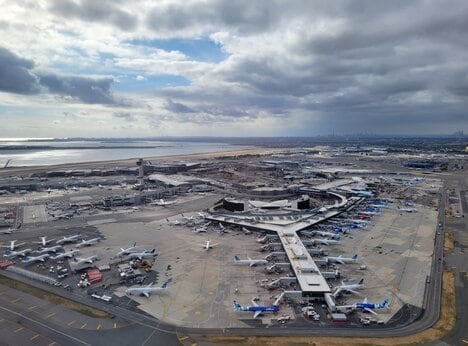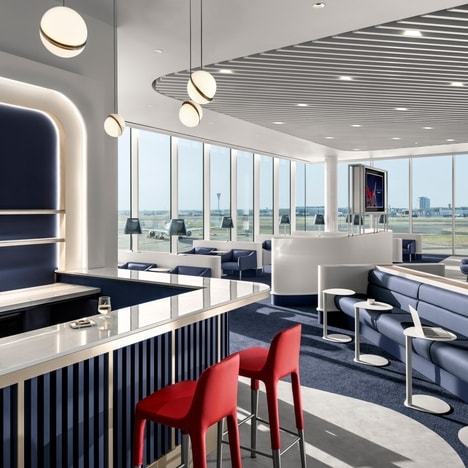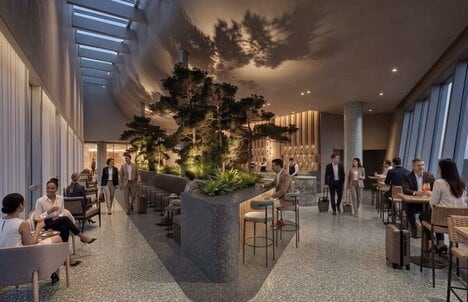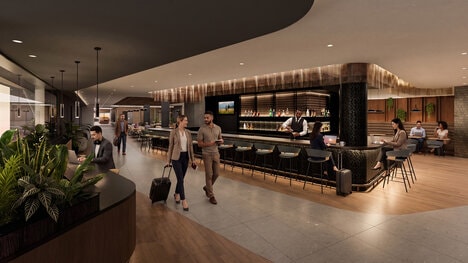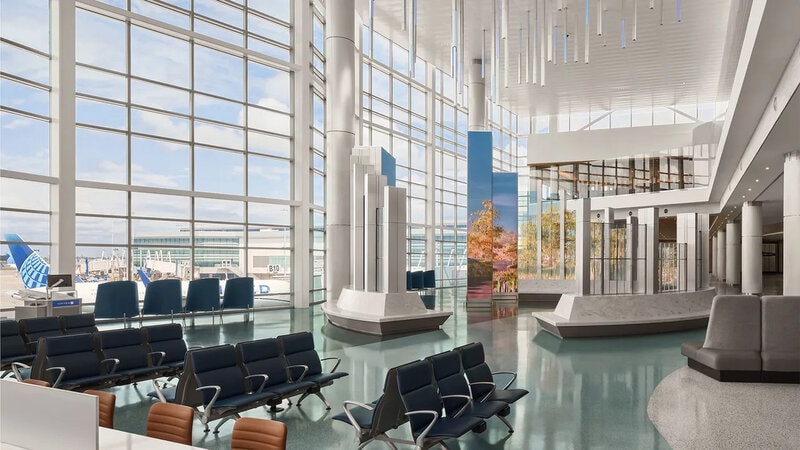
United Airlines is opening its 'Terminal B North' club this week at Houston's George Bush Intercontinental Airport, adding what is set to be the largest airport lounge in the Americas. In the rebuilt Terminal B, the space offers United Club members and select premium-cabin fliers a larger place to work or wait before departure.
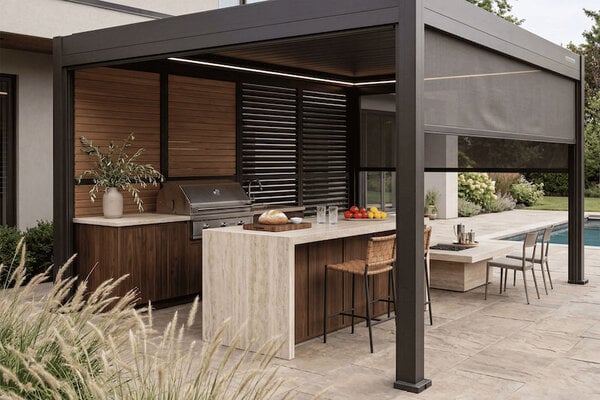
The club seats 800 people and includes a 1,350-square-foot terrace, giving travelers more room to spread out while watching aircraft movements. Two bars and private phone rooms support longer layovers without sending people back into the concourse.
An 800-seat club turns lounge access into a capacity play as well as a comfort perk when airport entry helps steer loyalty-program and credit-card choices. At IAH, where United now has seven clubs and lounges after last year's quick-stop 'United Fly Club' opening, the larger footprint makes crowding harder to treat as unavoidable.
Image Credit: fastcompany.com
What Makes This Trend Stand Out
- Mega Airport Lounges
- Expansive lounge footprints transform premium travel spaces into capacity-driven loyalty assets that reduce crowding and support longer dwell times.
- Terrace-based Travel Amenities
- Outdoor-style airport terraces create differentiated waiting environments where aviation views, fresh air, and premium positioning intersect.
- Work-ready Layover Spaces
- Private phone rooms, bars, and larger seating areas signal a shift toward lounges functioning as hybrid productivity and hospitality hubs.
Sectors Adopting This
- Airline Loyalty
- Lounge scale increasingly influences membership value, credit-card partnerships, and premium-cabin differentiation in competitive hub markets.
- Airport Hospitality
- Large-format clubs expand the role of terminals as service-rich environments where comfort, food, workspace, and exclusivity shape traveler satisfaction.
- Travel Credit Cards
- Premium card programs gain stronger appeal when lounge access is tied to spacious, less crowded facilities that feel materially distinct from concourses.