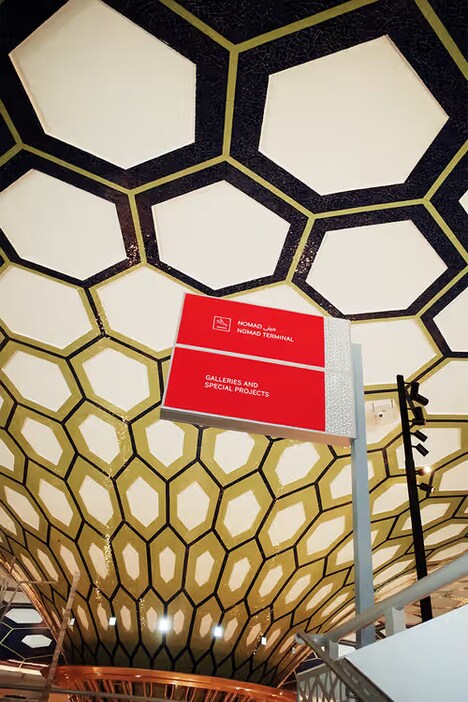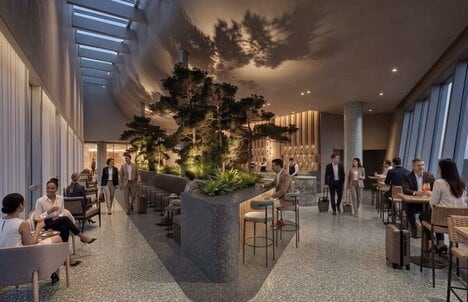

United is opening Terminal B North Concourse at George Bush Intercontinental Airport in Houston, replacing gates dating to 1969 with a 765,000-square-foot facility that begins public flights today. Built for connecting travelers, the three-level concourse adds 22 mainline gates with enclosed jet bridges, so passengers no longer board from the tarmac.
Inside, a $16.8 million art program includes The Digital Bayou, an interactive installation that turns circulation areas into a destination rather than a pass-through. A quiet sensory room for neurodivergent adults and children gives families a calmer place to reset between flights.
Climate-controlled jet bridges at all 22 gates turn the rebuild into a service change travelers notice right away, cutting a common pain point in older regional terminals. The $2.6 billion project also moves airport design toward convergence, combining operations with art and sensory support in one space.
Image Credit: Meghann Foye
Key Themes Behind This Trend
- Immersive Transit Art
- Interactive installations transform airport circulation zones into memorable cultural destinations, creating new value in dwell time, sponsorship, and place-based digital engagement.
- Sensory-friendly Travel
- Quiet rooms and neuroinclusive amenities signal a shift toward more adaptive airport environments that support underserved travelers and differentiate passenger experience.
- Climate-controlled Boarding
- Enclosed jet bridges and comfort-focused gate upgrades reduce friction in regional travel, opening space for premiumized infrastructure standards across aging terminals.
Where This Applies
- Airport Design
- Large-scale concourse rebuilds are blending operations, hospitality, accessibility, and public art into integrated spaces that redefine terminal planning priorities.
- Public Art
- Major transportation hubs are becoming high-visibility platforms for interactive cultural programming, expanding the role of art in commercial infrastructure.
- Travel Hospitality
- Passenger comfort amenities such as sensory rooms and improved boarding conditions are reshaping expectations for service quality throughout the airport journey.