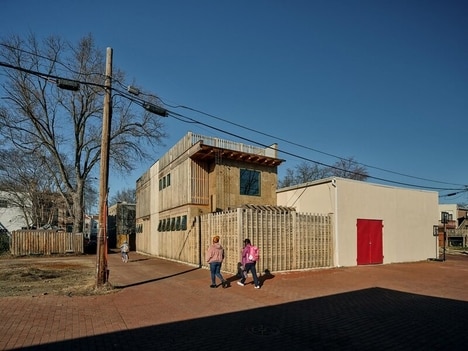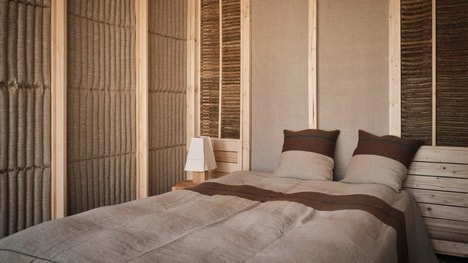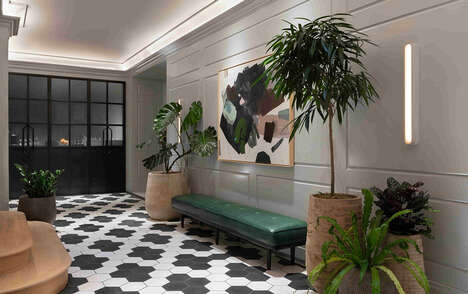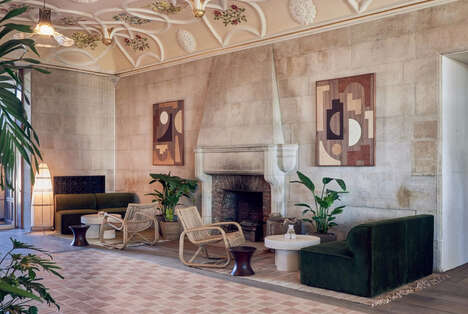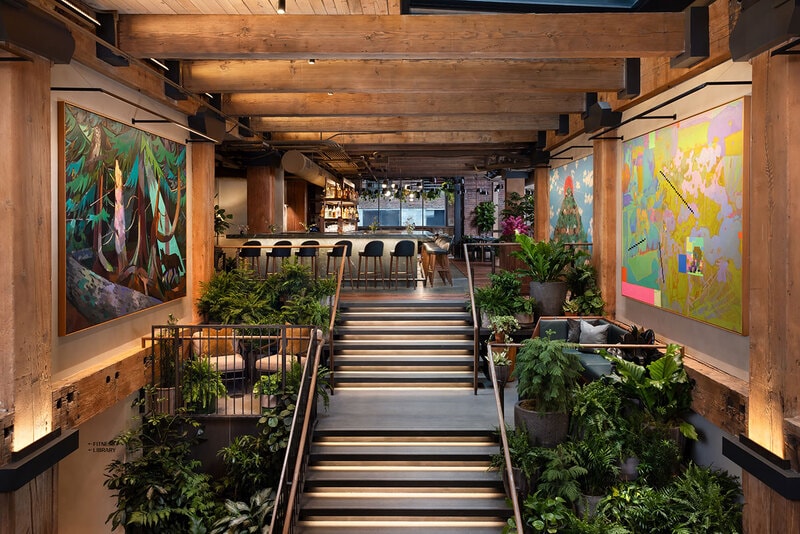
Populus Seattle is a carbon-positive hotel that brings biophilic design and adaptive reuse to the heart of Seattle’s historic Pioneer Square. Set within the restored 1907 Westland Building, the 120-room property was reimagined by The Miller Hull Partnership with interiors by Curioso and landscaping by Site Workshop and Camden Gardens.
The design evokes the feeling of a Pacific Northwest rainforest through elements like a skylit “Moss Foss” wall and a living forest installation featuring fallen trees and native plants. Original timber beams, exposed brick, and reclaimed materials preserve the building’s legacy while supporting a lower carbon footprint.
Art, nature, and heritage converge across Populus Seattle’s rooms and shared spaces. More than 300 commissioned works, curated by ARTXIV, reflect the region’s cultural and ecological identity. Interiors pair natural textures with industrial details, while the rooftop bar Firn and restaurant Salt Harvest serve as gathering spaces rooted in local biodiversity and seasonal storytelling. Every night’s stay plants a tree through the hotel’s sustainability program.
Image Credit: Urban Villages
Why This Trend Is Growing
- Biophilic Design Influence
- An increasing focus on biophilic design integrates natural elements into architecture, transforming how interior spaces are conceived by merging the built environment with nature.
- Local Material Sourcing
- There is a growing trend of employing locally sourced and sustainable materials, aligning building practices with environmental consciousness and reduced carbon footprints.
- Experience-driven Hospitality
- Hotels now prioritize creating immersive experiences that evoke their natural surroundings, offering guests more than just a physical location to stay.
Industries Being Reshaped
- Sustainable Architecture
- The drive towards sustainable architecture transforms construction practices with a focus on eco-friendly materials and design principles that mimic natural ecosystems.
- Eco-conscious Hospitality
- Incorporating environmental sustainability within the hospitality industry reshapes guest experiences, intertwining luxury with a deeper connection to the local environment.
- Interior Design
- Interior design increasingly incorporates natural elements and textures, providing opportunities for spaces that enhance well-being and evoke a sense of belonging to the natural world.