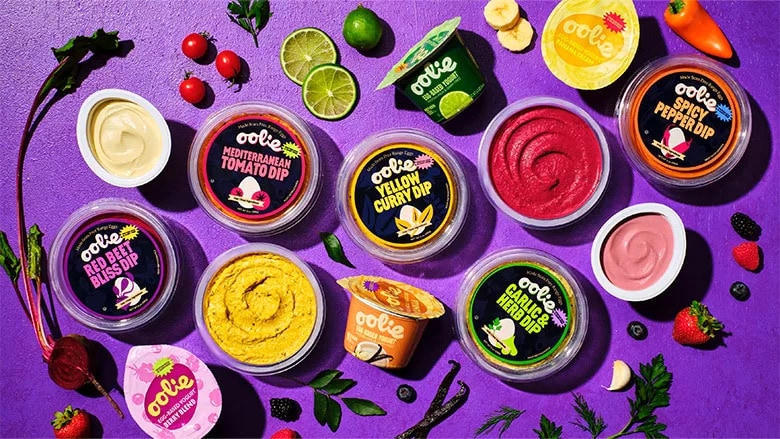
The Oolie direct-to-consumer platform is slated to be launched by the brand as a way to help optimize access to its products for consumers who might not be able to find them in their local shops.
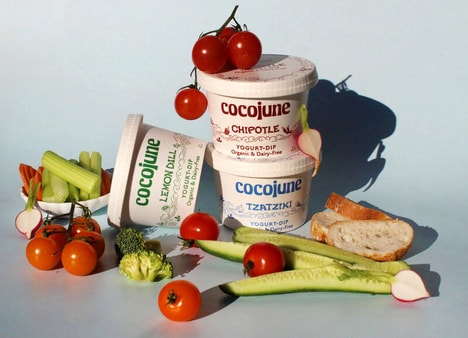
The direct-to-consumer (D2C) site will offer the brand's signature dairy-free products that are made using upcycled free-range eggs that have been transformed into rich, creamy dips and yogurt-like products. The platform will enable consumers to mix and match items for customized boxes, while also enabling a la carte orders and sample packs, if desired. Customers will enjoy shipping within two business days with free shipping on orders over $30, while first-time orders on all samples and bundles will receive 20% off.
Image Credit: Oolie
What's Driving This Trend
- Customization of Product Offerings
- Direct-to-consumer platforms now frequently provide the ability for consumers to mix and match products, promoting personalized shopping experiences.
- Upcycled Ingredient Use
- Brands are increasingly utilizing upcycled ingredients like free-range eggs to create sustainable and unique dairy-free food options.
- Rapid Shipping for Perishable Goods
- The trend of offering fast shipping options, such as two-day delivery, for perishable goods is gaining traction among direct-to-consumer platforms.
Who This Affects Most
- Plant-based and Alternative Foods
- The rise in demand for dairy-free and plant-based products drives innovation in creating alternatives with unique ingredients like upcycled free-range eggs.
- Direct-to-consumer Retail
- This industry is witnessing significant evolution through the development of platforms that facilitate direct engagement with customers, offering personalized product combinations.
- Sustainable Food Packaging and Distribution
- Efforts to streamline shipping processes and packaging for food products highlight the need for sustainable and efficient distribution methods.