The surge in the number of connected cars being designed has created a newfound interest amongst many drivers to make their car smarter, which the 'Kiwi' OBD device enables.
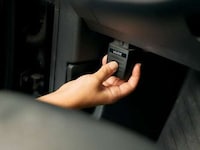
The 'Kiwi' works by being installed onto a OBD-II port that's located on nearly all vehicles manufactured within the last 20 years or so. From here, the 'Kiwi' instantly goes to work providing drivers with information regarding how well their vehicle is performing as well as the efficiency rating for their driving habits.
The 'Kiwi' OBD device, which is funding now on Kickstarter, is purported to save drivers up to $660 per year in fuel. This is thanks to the device's ability to study your driving habits and show you when you're driving in the optimal range to extend fuel economy.
Key Themes Behind This Trend
- Connected Car Technology
- The surge in the number of connected cars being designed has created a newfound interest for the 'Kiwi' OBD device and other similar gadgets that can make cars smarter.
- Data-driven Personalization
- The 'Kiwi' OBD device is one of many new products that provide drivers with personalized data to help them optimize their performance and reduce costs.
- Fuel Efficiency Solutions
- The 'Kiwi' OBD device is part of a growing trend of products designed to help drivers save money on fuel costs by improving fuel efficiency.
Where This Applies
- Automotive
- The 'Kiwi' OBD device and similar gadgets are disrupting the automotive industry by offering consumers affordable access to connected car technology.
- Consumer Electronics
- The market for personalized consumer electronics has expanded to include car accessories like the 'Kiwi' OBD device.
- Data Analytics
- Companies that collect and analyze data from OBD devices like 'Kiwi' have the opportunity to create innovative data-driven solutions for the automotive industry.