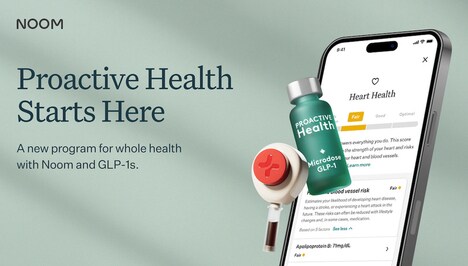

For years, people have chased quick-fix weight solutions without realizing that lasting results require real lifestyle changes, not just a temporary intervention, but Noom Lose for Keeps confronts this mindset head-on, reframing GLP-1 medications as just one part of weight loss. As Noom puts it, "GLP-1s kickstart your weight loss. Mindset and habits help you keep it off."
The Lose for Keeps campaign starring Rebel Wilson recognizes that more than 30% of new Noom GLP-1 program members have previously been on a GLP-1 medication from a different provider, and they come to Noom because they want not only the medication but also the habits that will help sustain the change. In one spot, Training Wheels, the image of learning to ride a bicycle explores how GLP-1 medication and healthy habits work in tandem.
Key Themes Behind This Trend
- Medication-supported Habit Change
- Weight management programs are expanding beyond prescriptions by pairing GLP-1 access with behavioral coaching, creating space for platforms that improve long-term adherence and outcomes.
- Sustainable Weight Loss Messaging
- Campaigns that reject quick-fix narratives are reshaping consumer expectations around health transformation, opening opportunities for brands that position maintenance as the core value.
- Celebrity-led Health Education
- Recognizable public figures are helping normalize complex medical journeys, giving healthcare marketers new ways to simplify treatment conversations and build trust.
Where This Applies
- Digital Health
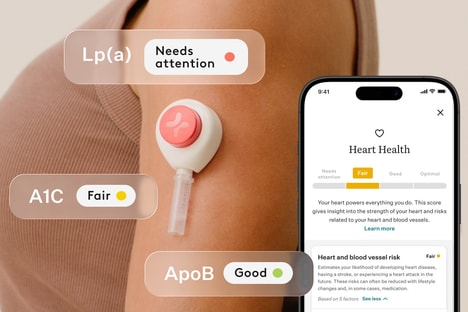
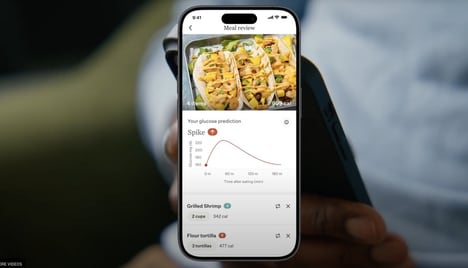
- Virtual care providers are blending medication management with app-based coaching and data tracking, enabling more integrated models for chronic weight care.
- Pharmaceuticals
- Rising GLP-1 adoption is shifting focus from drug initiation to sustained patient support, creating demand for partnerships that extend treatment impact beyond the prescription.
- Health Marketing
- Behavior-focused storytelling is becoming central to wellness advertising, allowing agencies and brands to differentiate by addressing emotional, educational, and lifestyle barriers.