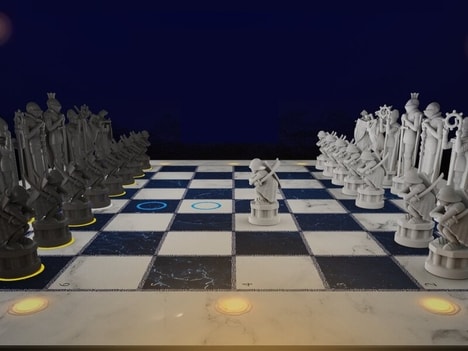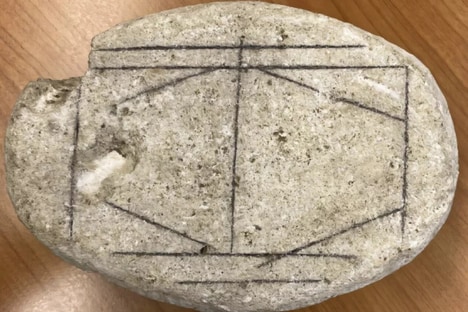
Newcastle University partnered with the Vindolanda Charitable Trust to 3D scan and print a playable replica of a roughly 1,700-year-old Roman game board. The original five-piece stone board was created for Ludus Latrunculorum, a two-player strategy game, and was excavated at Vindolanda in 2019.
Researchers scanned each piece separately using a handheld Artec 3D Spider scanner, generating detailed positional data for a complete digital model. The board was then reproduced in biodegradable PLA, preserving its geometry and surface details while allowing the original artifact to remain protected. The same scan files were also used to create an interactive digital model that visitors can rotate and examine.
The replica remains at Vindolanda’s Roman Army Museum for public handling while the original is on loan to Toronto’s Bata Shoe Museum. By transforming a fragile archaeological object into a durable teaching tool, the project demonstrates how 3D scanning and additive manufacturing can expand access to tactile history and support more immersive museum experiences.
Image Credit: Newcastle University
Why This Trend Is Growing
- Tactile Heritage Replicas
- Museum-grade 3D printing is making fragile artifacts touchable, creating new value in hands-on education, accessibility, and experiential cultural programming.
- Digital Artifact Twins
- High-resolution scanning enables cultural institutions to preserve, share, and monetize interactive digital versions of historical objects across physical and virtual channels.
- Biodegradable Museum Fabrication
- Sustainable materials such as PLA are reshaping exhibit production by combining artifact-safe replication with lower-impact manufacturing practices.
Industries Being Reshaped
- Museums and Cultural Institutions
- Expanded use of replicas and interactive models is redefining visitor engagement through more accessible, durable, and participatory heritage experiences.
- 3D Scanning and Printing
- Archaeological replication provides a growing market for precision imaging and additive manufacturing services tailored to education, conservation, and exhibitions.
- Edtech and Experiential Learning
- Playable historical objects offer immersive learning formats that connect ancient culture with strategy, design, and material history in classrooms and public programs.