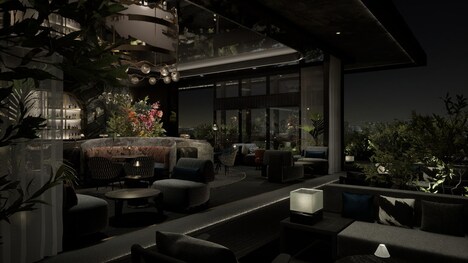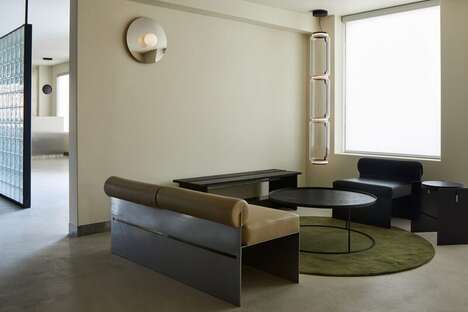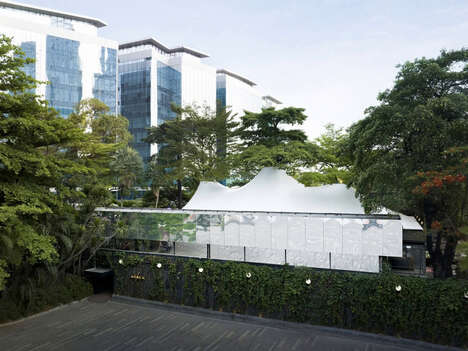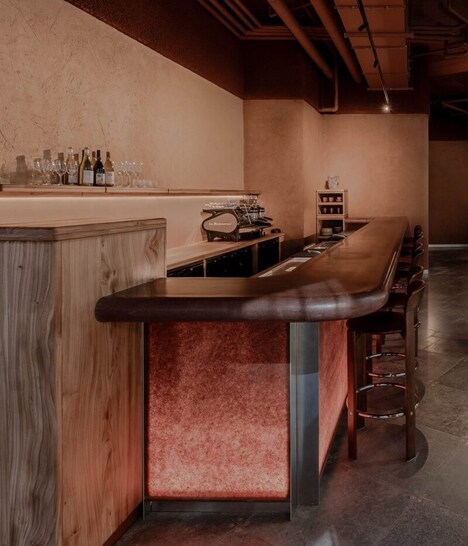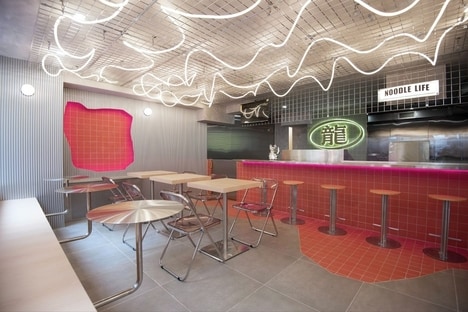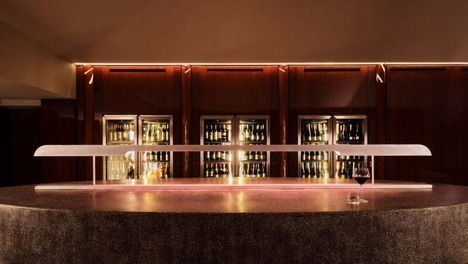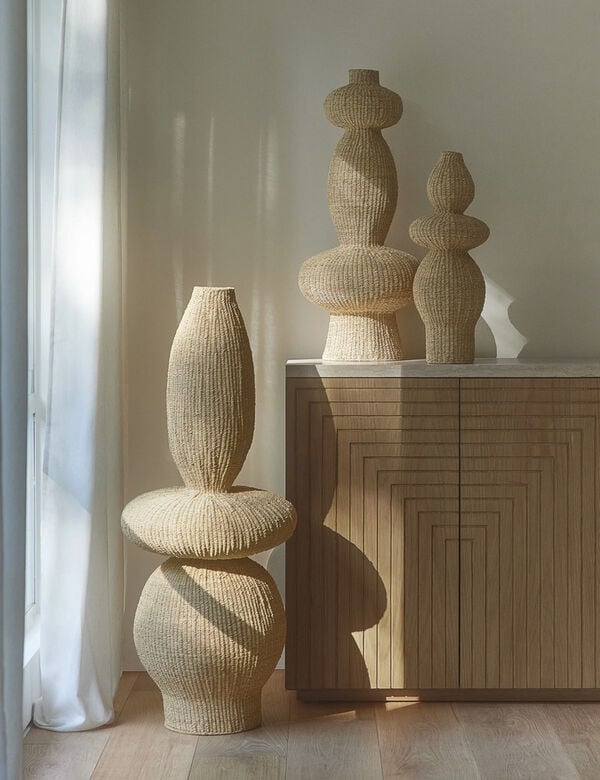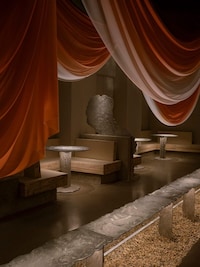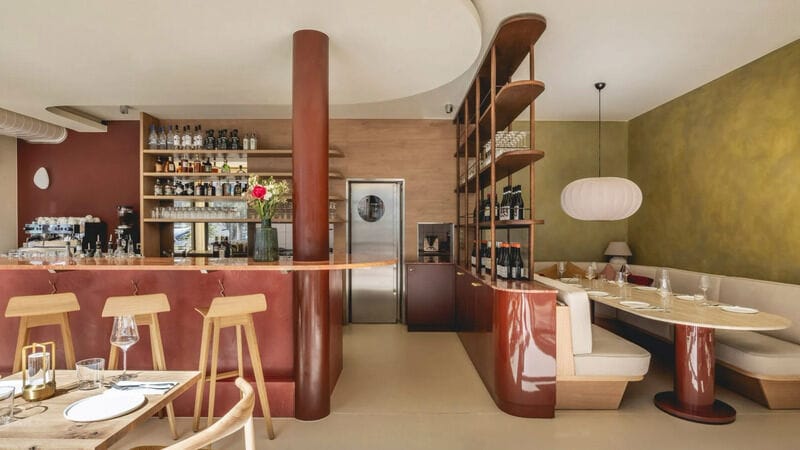
Interior design studio Jolie completes the visual look of the Nest restaurant located over an underground car park in Frankfurt. The space is defined by lime-wash walls along with other natural materials that is meant to be relocated within five years time, hence the temporary restaurant concept. It is made for future relocation purposes and does so with modular construction and other lightweight materials through the construction and design process.
Founder of Joliw, Franky Rousell tells Dezeen, "The temporary nature of The Nest had a significant influence on its design, guiding many key decisions to ensure sustainability, flexibility, and minimal environmental impact. The need to keep the structure lightweight, due to its location above a car park, meant that every material was chosen not only for its aesthetic and sensory qualities but also for its weight."
Image Credit: Billy Bolton
What Makes This Trend Stand Out
- Modular Restaurant Design
- Due to the trend of modular construction, there is a shift towards creating restaurant spaces that can be easily relocated and reassembled.
- Sustainable Interior Materials
- The use of natural and lightweight materials in restaurant interiors is increasingly popular as it promotes sustainability and adaptability.
- Temporary Dining Spaces
- Restaurants designed with temporary solutions are emerging, offering flexibility and reducing long-term environmental impacts.
Sectors Adopting This
- Interior Design
- The interior design industry is evolving to incorporate sustainable and modular concepts tailored for temporary establishments.
- Construction
- Innovations in the construction industry emphasize the development of lightweight and easily movable structures suitable for temporary uses.
- Sustainable Materials
- The sustainable materials industry is growing as there is an increasing demand for eco-friendly and adaptable construction solutions.