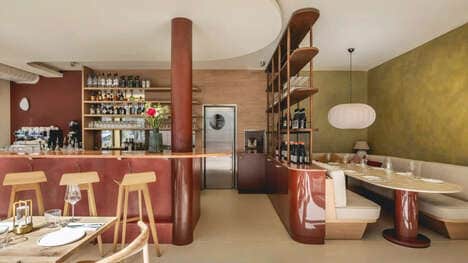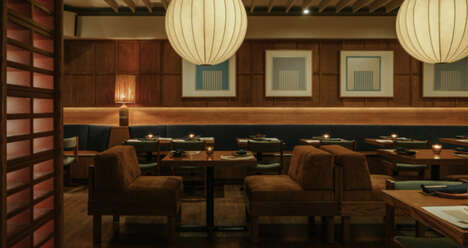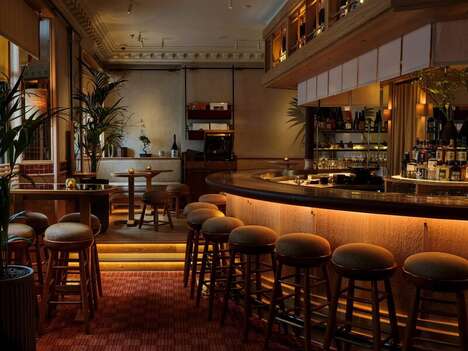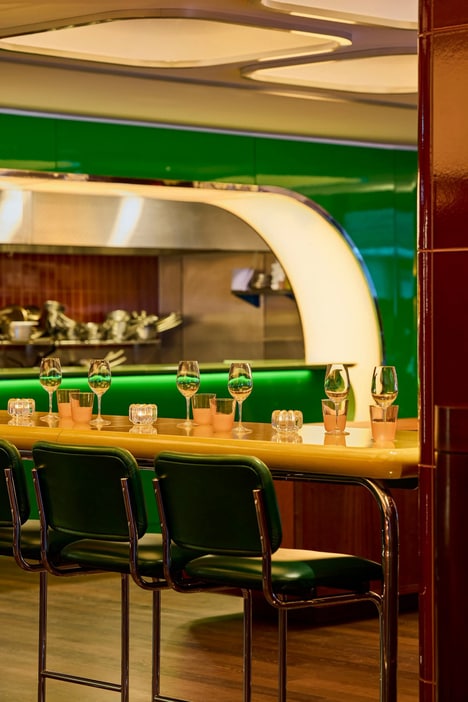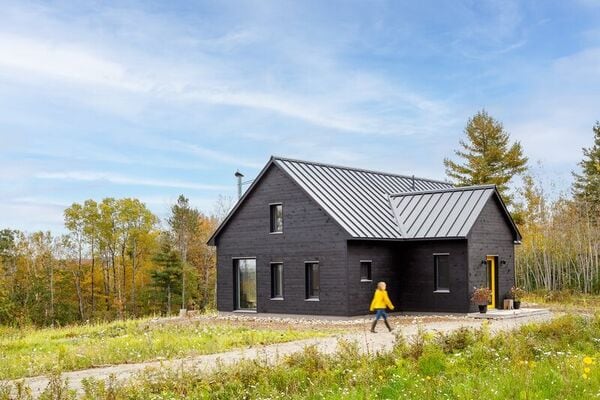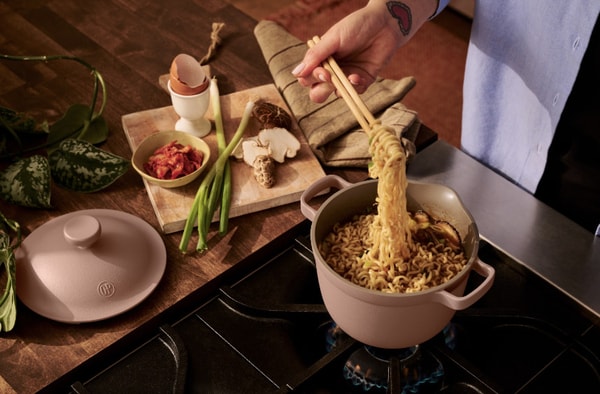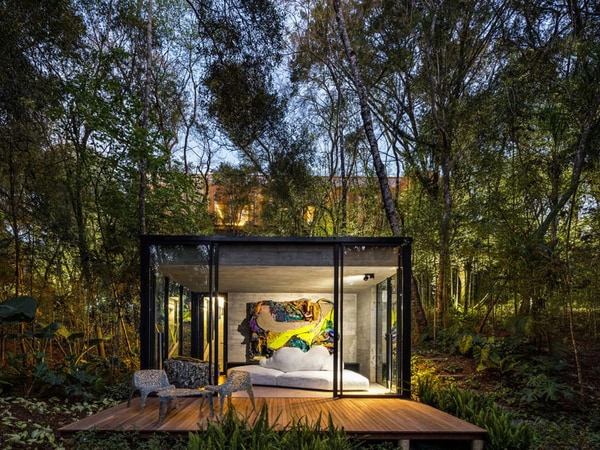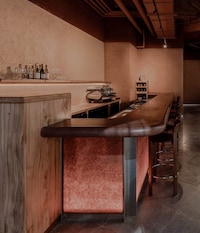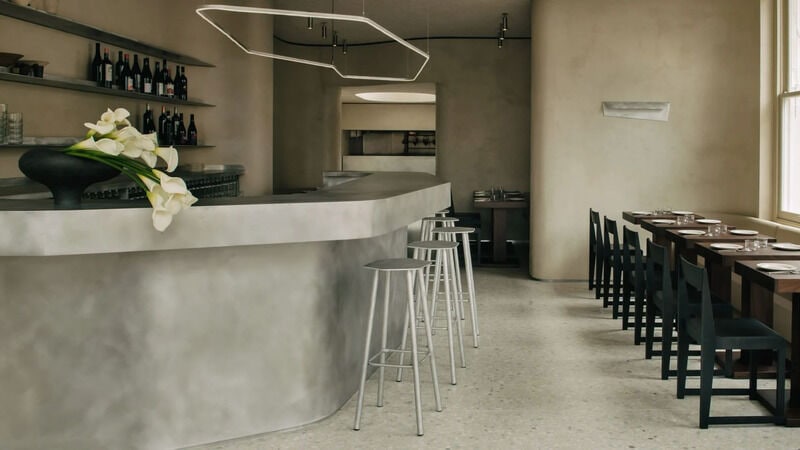
Architecture studio Al-Jawad Pike nods to wabi-sabi design themes when forming the Holy Carrot restaurant space in London. Found on Portobello Road, the restaurant features materials including stone, timber, and clay plaster. It was founded by Irina Linovic, a former Vogue Ukraine producer. Holy Carrot is designed with muted palettes that enhance the menu's plant-based colorful dishes.
The co-founder of Jessam Al-Jawad, Al Jawad Pike speaks about the design concept, sharing the influence of Japanese design philosophies in reference to the beauty of imperfection integrated to the space. "The brief called for a warm, neutrally toned space influenced by nature and the concept of wabi-sabi. This palette was also inspired by the desire to use materials that feel natural and earthy, adding a sense of curated domesticity to the space."
Image Credit: Genevieve Lutkin
Why This Trend Is Growing
- Wabi-sabi Aesthetic
- The integration of wabi-sabi design principles into consumer spaces presents an opportunity for creating environments that embrace imperfection and natural beauty, resonating with a clientele seeking authenticity.
- Nature-inspired Interiors
- Design spaces that incorporate natural materials like stone, timber, and clay can offer a sanctuary-like experience, appealing to consumers desiring a connection to the outdoors in urban settings.
- Neutral Palette Design
- Utilizing neutral tones in interior design can highlight vibrant elements such as colorful plant-based dishes, creating a harmonious balance that enhances the customer experience.
Industries Being Reshaped
- Hospitality Design
- Innovative designs for hospitality spaces that focus on natural materials and muted color schemes can elevate guest experiences and set new trends in restaurant aesthetics.
- Sustainable Architecture
- The emphasis on natural, earthy materials aligns with the growing demand in architecture for sustainable practices and eco-friendly building solutions.
- Culinary Arts
- Restaurants utilizing design to complement and enhance their culinary offerings, particularly in plant-based cuisine, can create immersive dining experiences that differentiate them in the market.