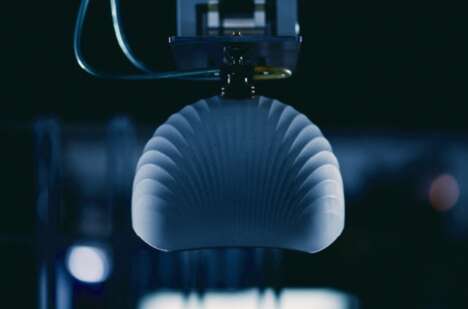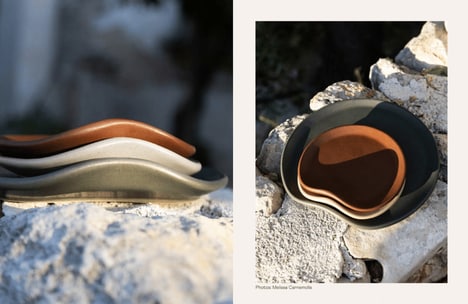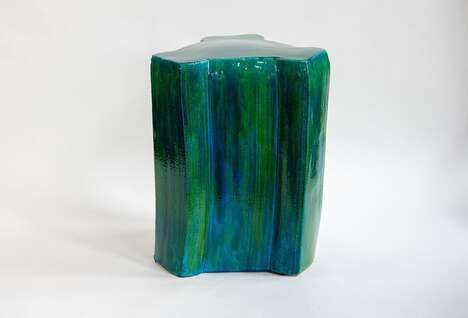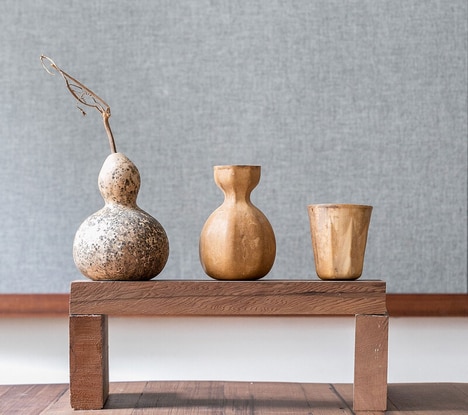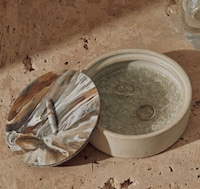
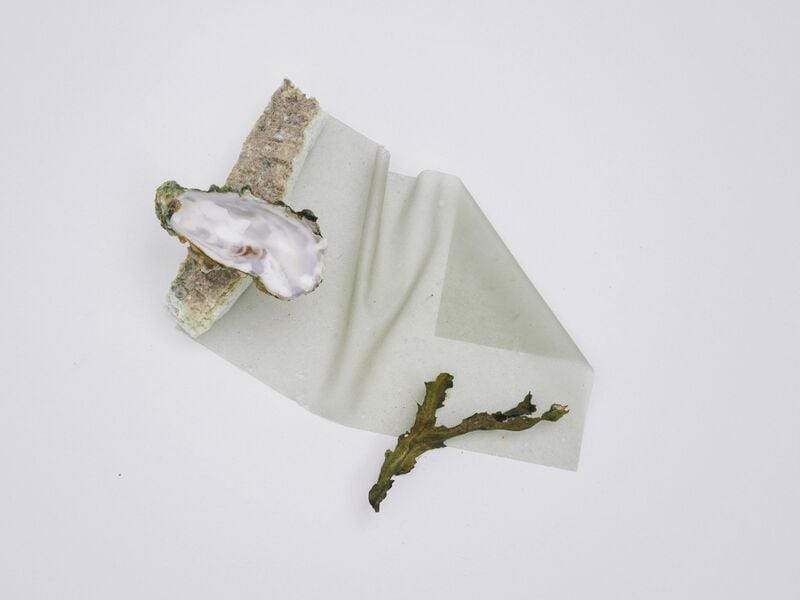
Bonnie Hvillum is the designer behind Natural Material Studio's seashell-based ceramics. The conceptual design is made from powdered seashells from Denmark's Noma restaurant. The restaurant and the design studio teamed up to innovate the Shellware project to reduce seafood waste.
Based in Copenhagen, the design team is known for its locally sourced produce. With help from ceramicist Esben Kaldahl, the seashell-based material is made specifically from leftover scallop and other seafood shells. The project included several experts to make a well-rounded research and design team, including experts from Kristineberg Marine Center in Sweden. Hvillum learned that excessive heat could turn the calcium carbonate seashells into calcium oxide. When heat-treating the shells to 900 degrees, the base material turns to powder, similar to bone ash used to make bone china.
Image Credit: Natural Material Studio / Dezeen
Key Themes Behind This Trend
- Seashell-based Ceramics
- Creating ceramics from leftover seashells presents an opportunity for sustainable and eco-friendly design solutions.
- Reducing Seafood Waste
- Using seashells from leftover seafood presents an opportunity to reduce waste and create new value from existing resources.
- Locally Sourced Materials
- Using locally sourced materials, such as seashells, presents an opportunity to reduce transportation costs and support local economies.
Where This Applies
- Food & Hospitality
- Restaurants and food producers can partner with designers to create innovative solutions for their waste products.
- Ceramics & Pottery
- Ceramicists and pottery companies can explore the use of seashells as a new and unique material for their products.
- Sustainability & Environmentalism
- Companies and organizations focused on sustainability and environmentalism can promote and support the use of seashells as a sustainable material in various industries.