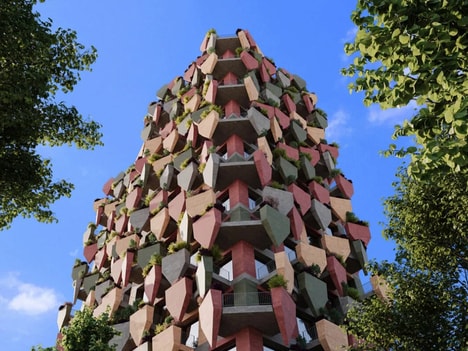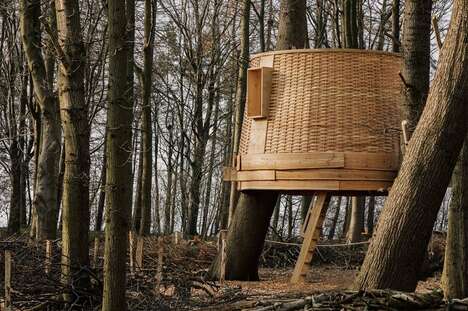


Cameroonian architecture firm, Hermann Kamte & Associates are planning to develop 'The Native Skyscraper' -- a stunning wooden sky scraper with a design inspired by Africa's iconic Baobab trees.
With growing urban populations, architects are tasked with finding sustainable solutions for cities attempting to address urban growth while simultaneously reducing their environmental footprint. The tall-standing twisted wooden structure is set to be built with locally sourced materials to demonstrate how the future of urban planning can be more sustainable. Infused in the tower's wooden and glass exterior are grassy columns which are indicative of the structure's close connection to nature. Exposed wooden beams will make for a 'tree house' like environment, while the building is marketed as a "serviceable, economical sustainable, environmental, ecological and social option for the urban designs of tomorrow."
What's Driving This Trend
- Sustainable Urban Development
- The concept of using locally sourced, sustainable materials to build tall structures presents an opportunity for architects to explore and design sustainable urban environments.
- Innovative Wooden Architecture
- There is an opportunity for architects to explore and push the boundaries of wooden architecture as a sustainable and eco-friendly building material.
- Nature-inspired Design
- Design trends that take inspiration from nature in architecture can lead to more sustainable building practices that harmonize with the environment.
Who This Affects Most
- Architecture
- Architects can look to incorporate eco-friendly and sustainable materials and design principles into their building projects in order to create more sustainable urban environments.
- Construction
- Innovations in wooden architecture and sustainable building practices will have an impact on the construction industry, particularly in the area of eco-friendly materials and construction methods.
- Urban Planning
- Sustainable urban development will influence the future of urban planning, as planners shift towards more eco-friendly and sustainable design principles to meet the challenges of urbanization.