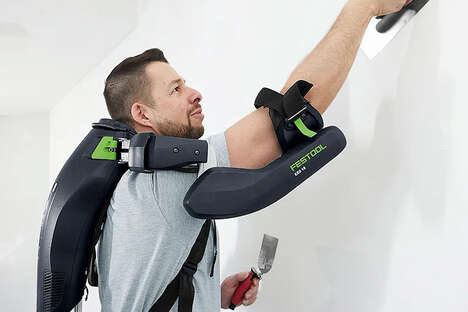
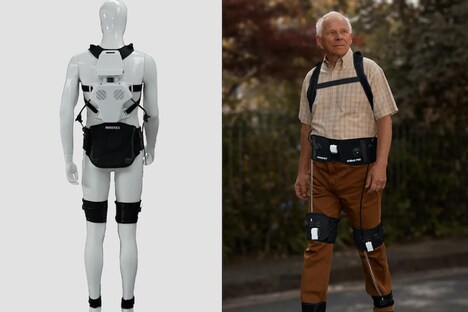
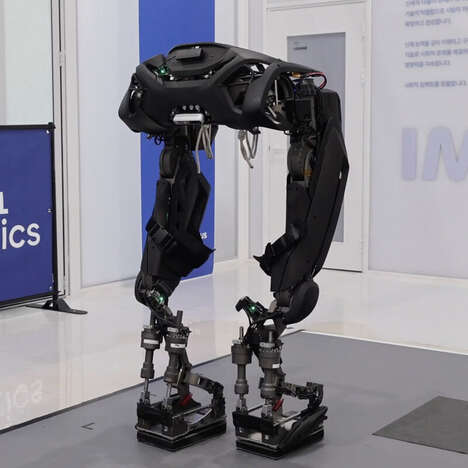
Exosuits are quickly leaping out of science fiction and into reality and the new multi-joint robotic exosuit may be the biggest leap forward so far. Developed by researchers at Harvard University’s Wyss Institute, the new robotic exosuit manages to innovate with its textile-based design and focus on modularity.
Intended to serve soldiers, firefighters and other rescue workers, the multi-joint robotic exosuit promises to augment the wearer's natural abilities while also reducing strain on the body. The research project into the exosuit was funded by the US defense group DARPA and was recently put through its paces by soldiers. According to Dave Perry, an engineer working on the project, “Being a DARPA-funded project, military applications were the initial focus, but this is really useful work for anybody who could use some help walking.”
What Makes This Trend Stand Out
- Modular Exosuits
- The textile-based design and focus on modularity in the multi-joint robotic exosuit creates opportunities for customizable and adaptable exoskeleton technologies.
- Augmented Abilities
- The development of the multi-joint robotic exosuit highlights the opportunity to enhance users' natural abilities and performance through wearable robotics.
- Strain Reduction Technology
- The textile-based exosuit's ability to reduce strain on the body presents opportunities for developing innovative solutions that improve ergonomics and promote physical well-being in various industries.
Sectors Adopting This
- Defense
- The defense industry can explore disruptive innovation opportunities by integrating modular exosuits into soldier equipment, enhancing soldiers' capabilities and reducing their physical strain.
- Emergency Services
- Emergency service providers, such as firefighters and rescue workers, can leverage augmented abilities enabled by exosuits to improve their response efficiency and safety during challenging situations.
- Rehabilitation and Mobility
- The strain reduction technology offered by textile-based exosuits opens up possibilities for developing rehabilitation and mobility solutions that aid individuals in regaining or enhancing their motor functions.