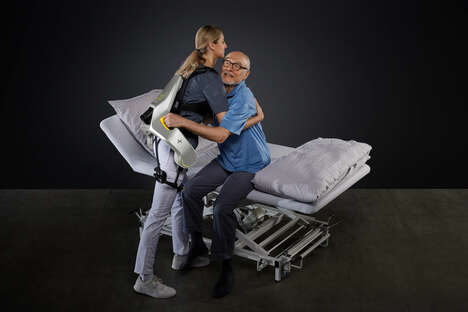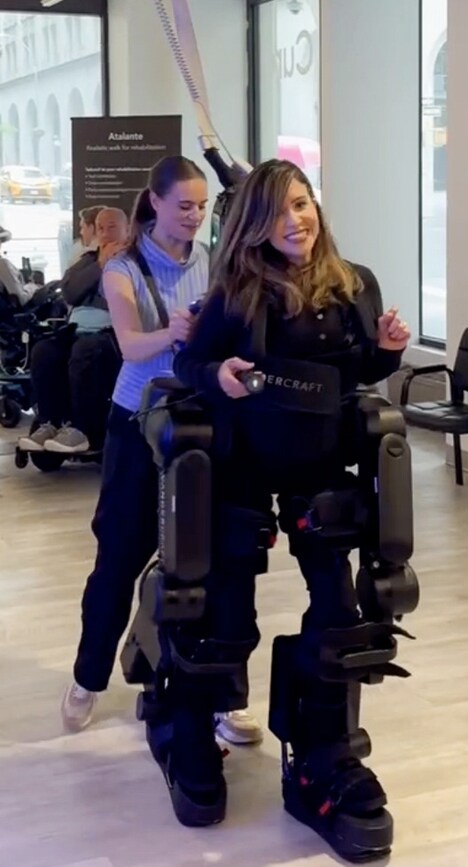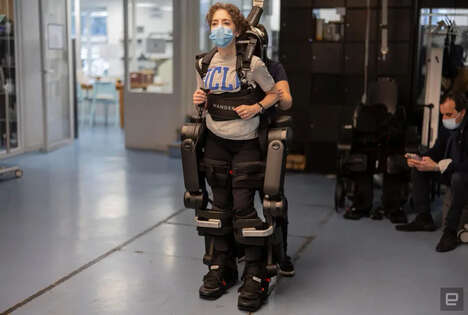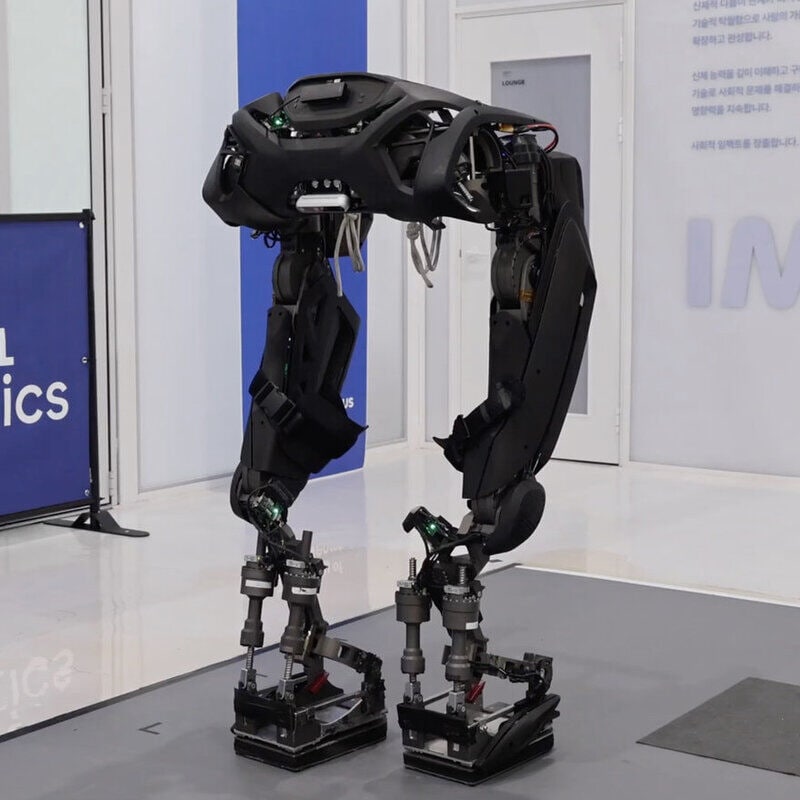
Researchers at KAIST (Korea Advanced Institute of Science & Technology) have unveiled an innovative exoskeleton, the 'WalkON Suit F1,' designed to boost mobility and independence for people with paraplegia. Unlike traditional medical exoskeletons, which often require caregivers to assist users in donning the device, this groundbreaking suit can autonomously "walk" over to a user in a wheelchair and install itself over the user’s legs.
The WalkON Suit F1 employs a frontal-docking approach, allowing users to seamlessly transfer into the exoskeleton without leaving their wheelchair. This design contrasts with rear-sitting exoskeletons that typically need caregiver assistance mid-transition, greatly enhancing usability and self-sufficiency.
Developed for people with paraplegia rather than rehabilitative purposes, the WalkON Suit F1 aims to offer new levels of independence. Angel Robotics, founded by KAIST professor Kyoungchul Kong, spearheads further development of this life-changing technology, promising a future where mobility challenges can be met with greater ease and autonomy.
Key Themes Behind This Trend
- Self-installing Exoskeletons
- The design of exoskeletons that autonomously secure themselves to users without external assistance provides a revolutionary advancement in assistive technology.
- Frontal-docking Mobility Solutions
- Frontal-docking mechanisms enable seamless integration of mobility aids, enhancing user independence and reducing reliance on caregivers.
- Autonomous Assistive Devices
- Assistive devices capable of self-operation and integration significantly improve the quality of life for individuals with mobility impairments.
Where This Applies
- Medical Exoskeletons
- The development of self-installing medical exoskeletons offers transformative potential for the rehabilitation and assistive technology sector.
- Mobility Solutions
- Innovative mobility solutions such as self-installing exoskeletons address critical needs in the healthcare and personal mobility industries.
- Assistive Technology
- Advances in autonomous assistive technology provide new levels of independence for people with disabilities, marking a major shift in the industry.