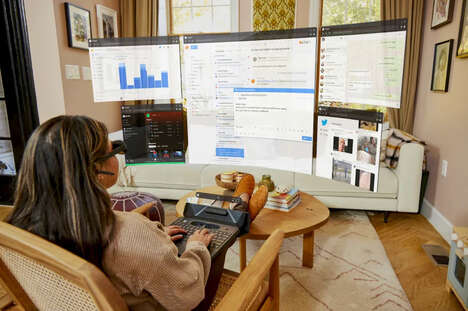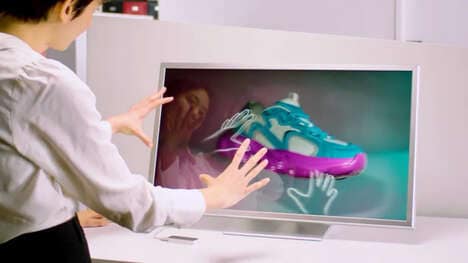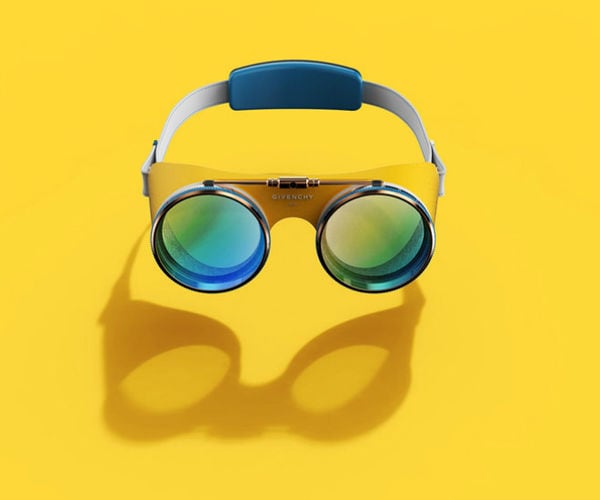
To enhance the kinds of interactions that can be made with the mixed-reality HoloLens system, a team of researchers at Microsoft Research successfully developed the 'MRTouch' as a virtual touchscreen.
The MRTouch boasts the ability to perform on an unmodified Microsoft HoloLens headset, adding to its already impressive abilities to allow for inputs with a gesture, voice or by controller. With the MRTouch virtual touchscreen, a person who is wearing the headset now has another way to interact using their fingers and simple gestures like swiping.
The virtual touchscreen can be called onto a number of surfaces, including walls and tabletops, creating tons of new ways for content to be intuitively interacted with in a way that might remind one of using a mobile tablet screen.
What's Driving This Trend
- Virtual Touchscreens for Mixed-reality Interfaces
- Disruptive innovation opportunities in AR and VR industries for creating more intuitive and adaptable interfaces for users.
- Gesture-based Interactions for Head-mounted Displays
- Opportunities for innovation in the development of wearable technology that allows for more natural interactions with virtual objects.
- Mixed Reality User Interfaces
- Opportunities for innovation in creating mixed-reality interfaces that leverage virtual touchscreens to provide new ways for users to interact with digital content.
Who This Affects Most
- Augmented Reality (AR) Industry
- AR industry stakeholders could innovate virtual touchscreens to provide more natural and intuitive interfaces for AR experiences.
- Virtual Reality (VR) Industry
- By incorporating virtual touchscreens, VR developers could improve users' sense of presence and control within digital environments.
- Wearable Technology Industry
- New opportunities arise for wearables manufacturers to create devices that allow for natural interactions with digital objects while maintaining physical mobility.