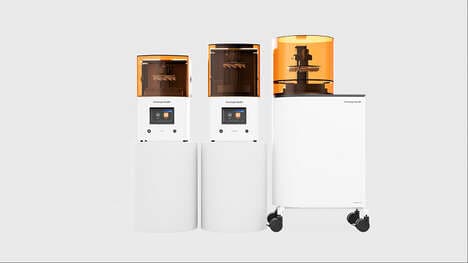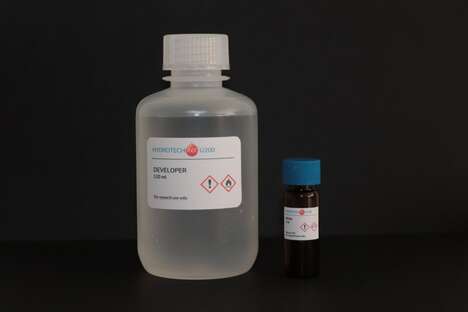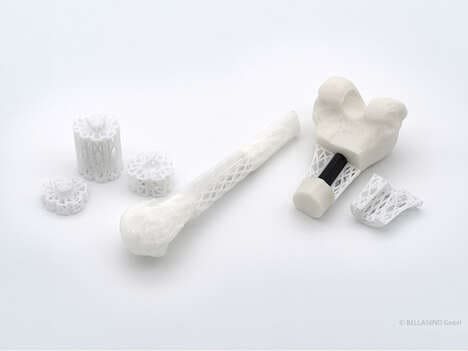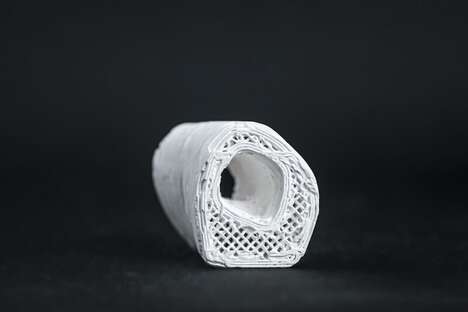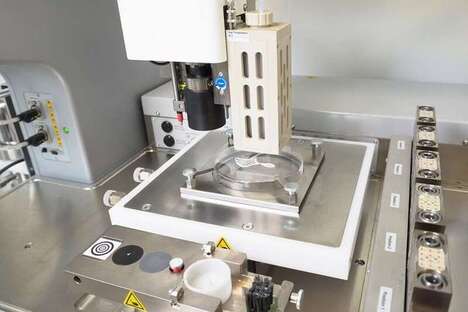
Since 3D printing has proven useful for creating everything from casts to hip replacements, scientists at the University of Texas at Austin developed a new medical 3D printing innovation.
The scientists have developed a genetic "glue" that's able to form gels that may be used in the printing process for organic tissue. What this means for the future of healthcare is that hospitals would be able to make use of DNA strands to grow organs in a specific way, allowing customization as needed for patients. This also means that this kind of technology could reduce long donor wait lists, since these organs could be created through 3D printing, especially if surgery is required to save a life in a short period of time.
What Makes This Trend Stand Out
- Medical 3D Printing
- A disruptive innovation opportunity in medical 3D printing is the use of genetic glues to create customized organs and reduce dependency on organ donors.
- Customized Organ Production
- The development of genetic glues opens up the disruptive innovation opportunity of producing organs through 3D printing, allowing for customization and reducing the organ transplant waiting lists.
- Reducing Organ Transplant Waiting Lists
- Using genetic glues in 3D printing could disrupt the healthcare industry by providing a solution to reduce organ transplant waiting lists and deliver organs in a timely manner.
Sectors Adopting This
- Healthcare
- The healthcare industry has the opportunity to adopt genetic glues in 3D printing to revolutionize organ production and improve patient outcomes.
- Biotechnology
- The biotechnology industry can leverage genetic glues in 3D printing to advance organ engineering and create innovative solutions for medical challenges.
- Manufacturing
- The manufacturing industry can explore the disruptive innovation potential of incorporating genetic glues into 3D printing processes to produce complex organ structures efficiently.