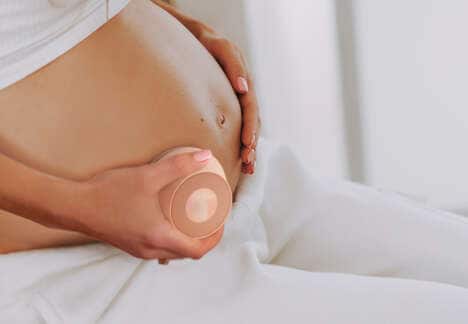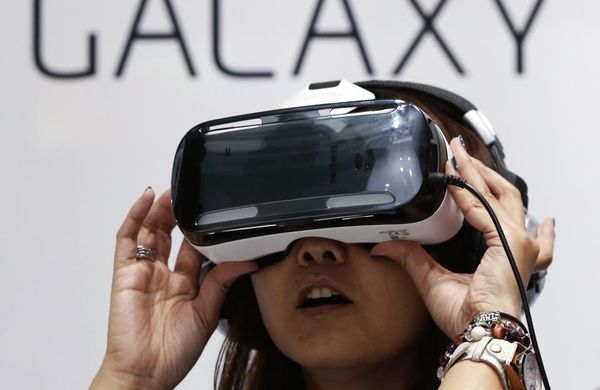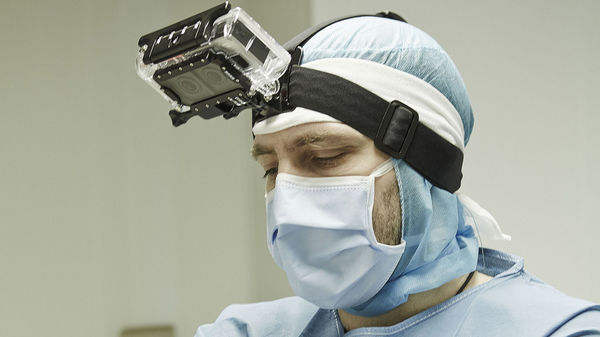


Virtual reality experiences can be both emotional and entertaining, as Samsung proves with LifeLIVE. Using a Samsung Gear VR, cameras, streaming equipment and a Note 4, Samsung set up an experience to bring together a couple who couldn't be together on the day of their baby's birth.
Although the child's father couldn't be there in person, he was able to virtually check in with this family with the aid of technology. Fully being able to look around the room in real-time, the immersive experience made it seem as though he was really there and witnessing every moment with his wife and the hospital staff with his own eyes.
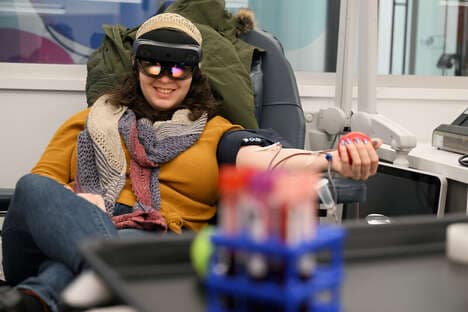
Whether a newborn is coming into the world or an elderly patient finds themselves alone, there are many families that would cherish experiences like this one. Virtual reality technology has the potential to bring so much more comfort to healthcare.
Why This Trend Is Growing
- Virtual Reality in Healthcare
- Virtual reality technology has the potential to bring comfort and connection to families in healthcare situations, such as births or when loved ones are unable to be present.
- Immersive Remote Experiences
- Virtual reality experiences, like Samsung's LifeLIVE, allow people to virtually be present in important moments, even if they can't physically be there.
- Emotional Virtual Reality
- Virtual reality experiences can elicit strong emotions and create powerful bonds between individuals, as demonstrated in the LifeLIVE birth experience.
Industries Being Reshaped
- Healthcare
- Virtual reality could enhance patient experiences and provide greater comfort and connection in healthcare settings.
- Technology
- Virtual reality technology is expanding into new applications, demonstrating its potential to revolutionize various industries and create innovative experiences.
- Entertainment
- Virtual reality is not only entertaining, but also has the potential to create immersive and emotionally impactful experiences for users in the entertainment industry.