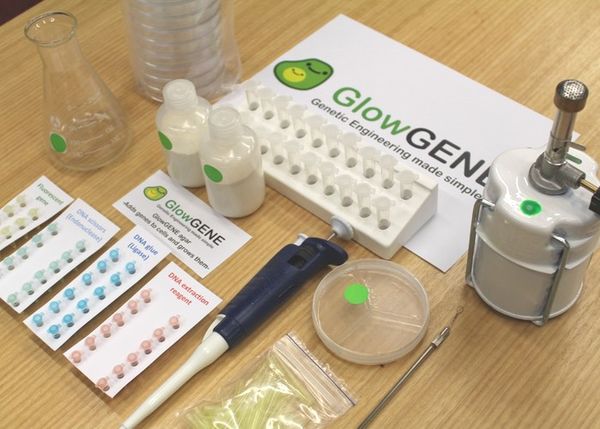
When Travis Weihermuller and Dominic Santalucia joined forces to create 'lifeblood,' they knew it needed a special identity to communicate what makes the brand human. In order to do this, the pair sent off their DNA to be analyzed in a lab and in return, were able to craft a set of graphics that reveals what genetic instructions makes them unique.
The brand's visual identity uses a lot of lines and in different formats, the strings of generated lines morph before a viewer's eyes. In print, this includes business cards that use the same system of dashed lines.
On the creation of the lifeblood agency's identity, the pair says: "We decided to create something that might be controversial in its simplicity and execution, and if everyone loves it great. If everyone hates, it even better."
Why This Trend Is Growing
- Genetic Branding
- Using DNA analysis to create a unique brand identity.
- Dynamic Visual Graphics
- Utilizing morphing lines and dashed patterns to create visually engaging brand materials.
- Controversial Simplicity
- Creating a brand identity that intentionally provokes strong reactions and generates conversation.
Industries Being Reshaped
- Marketing and Advertising
- Companies can explore DNA-based branding as a distinctive strategy to differentiate their brand and engage consumers.
- Design and Printing
- The demand for dynamic visual graphics in printed materials, such as business cards, presents opportunities for innovation in design and printing techniques.
- Brand Consulting
- Specialized agencies can offer unique services in creating controversial yet impactful brand identities that generate buzz and discussion.