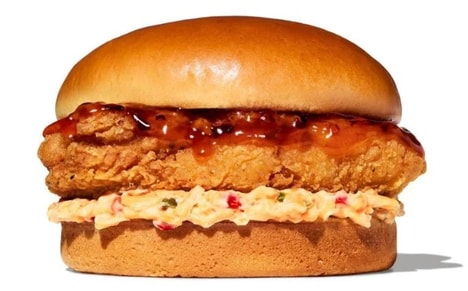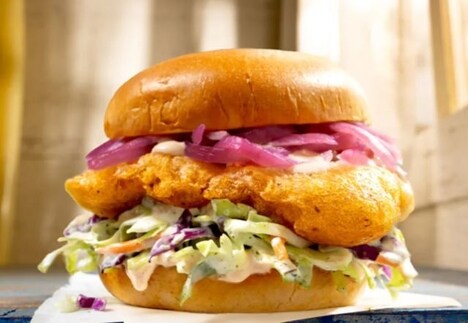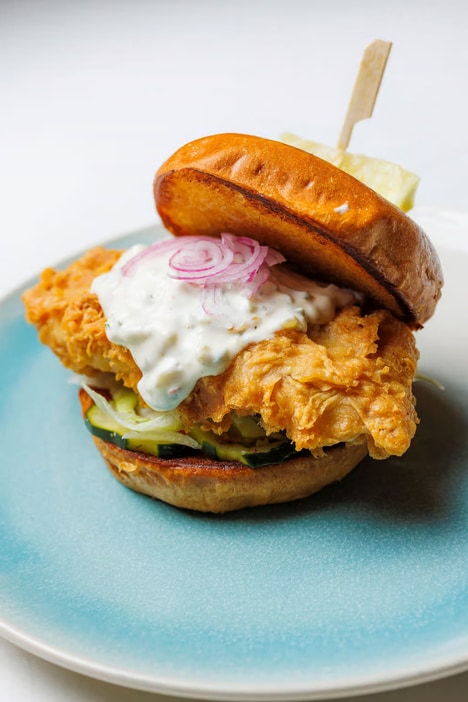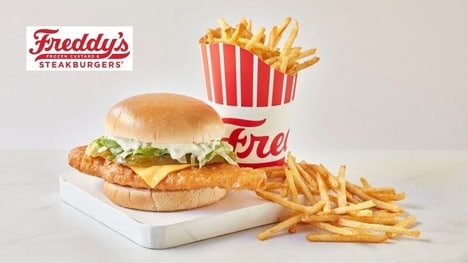

Whataburger is bringing back the Whatacatch during Lent, giving pescatarians and other fish eaters a recurring alternative at a burger chain better known for beef. The sandwich uses a wild-caught Alaskan pollock fillet with a crisp panko coating, then adds lettuce, tomato and tartar sauce on a soft bun.
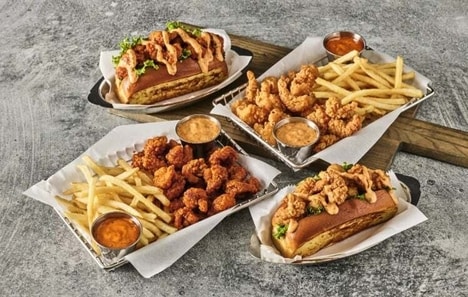
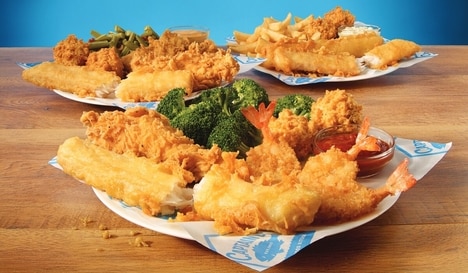
Around $9.49 buys the combo with fries and a drink, which turns the seasonal item into a full meal instead of a one-off sandwich order. Diners who want a heavier fish order can also choose the platter format, which trades the bun for two fillets over fries.
Its Lent-only timing at Whataburger locations keeps the Whatacatch tied to a predictable buying occasion, with the next return expected around February 2027. That cyclicality gives Whataburger a built-in seafood draw for Lenten pescatarians and year-round fish fans while avoiding a permanent menu slot for a niche category.
Image Credit: AI-generated
What Makes This Trend Stand Out
- Seasonal Seafood Menus
- Limited-time fish offerings tied to cultural calendars create predictable demand spikes while letting restaurants test niche proteins without long-term menu complexity.
- Pescatarian Fast Food
- Growing interest in non-beef quick-service meals is opening space for chains to serve flexible eaters with familiar formats like sandwiches, combos and platters.
- Recurring Limited-time Offers
- Annual menu returns can build customer anticipation and operational efficiency by turning temporary products into recognizable seasonal rituals.
Sectors Adopting This
- Quick-service Restaurants
- Burger chains have room to diversify traffic through seafood-based limited releases that broaden appeal beyond core beef occasions.
- Seafood Processing
- Wild-caught, breaded fish fillets for fast-food applications represent a scalable opportunity for suppliers focused on convenience and consistency.
- Foodservice Marketing
- Calendar-based promotions offer brands a structured way to connect menu innovation with religious, cultural and dietary purchasing moments.
Featured Reports

The Future of Food Isn't Always About Invention

Verified Economy