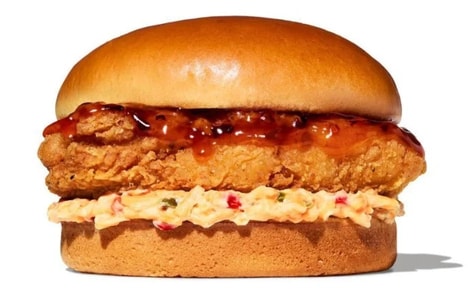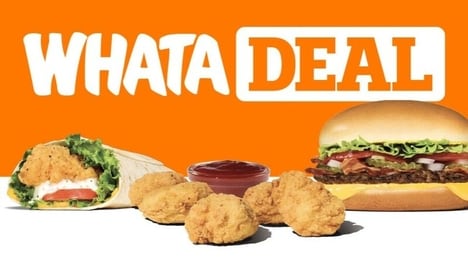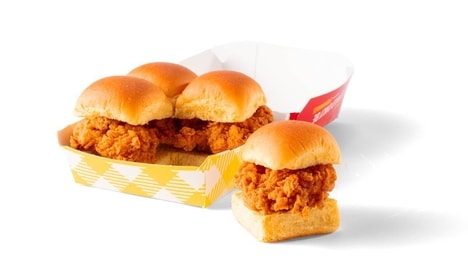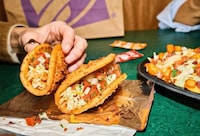

Whataburger introduced a limited regional test of Whatachick’n Bites, bringing back bite-sized chicken breast pieces at select Texas restaurants across San Antonio, Corpus Christi and the Rio Grande Valley. The product features lightly breaded, all-white-meat chicken designed to deliver a crispy exterior and tender interior while fitting into the chain’s established chicken and combo-meal lineup.
The rollout includes 6- and 9-piece order options sold individually or as part of Whatameal combos with fries and a drink. Whataburger also published nutritional information for each serving size, outlining calorie, fat and protein counts as part of the test launch. The item revives a familiar chicken offering that longtime fans associate with earlier menu eras.
For customers, the test delivers a shareable, snack-oriented chicken option that aligns with growing demand for nostalgic limited-time menu items and value-focused combo meals in quick-service dining. The regional release also allows Whataburger to evaluate consumer response before any wider expansion.
Image Credit: Shutterstock/Tada Images
What's Driving This Trend
- Limited-time Nostalgia
- Revival of legacy menu items as short-run offerings creates modular product cycles that can rejuvenate brand engagement.
- Regional Test Marketing
- Localized rollouts create nimble consumer-feedback loops and region-specific supply chain models that reduce rollout risk.
- Snack-oriented Shareables
- Rising preference for bite-sized, shareable options generates demand for fractionally priced units and combo-focused merchandising.
Who This Affects Most
- Quick-service Restaurants
- Tested limited-run items present avenues for chains to increase visit frequency and capture value-seeking customers through flexible combo configurations.
- Food Manufacturing
- Regional limited runs highlight demand for co-packers and manufacturers capable of small-batch, rapid-turn production with adaptable packaging and shelf-life solutions.
- Data Analytics and Consumer Insights
- Granular regional sales and nutritional data from trials can power predictive models that forecast nationwide performance and optimize menu portfolios.