The March 2026 pop culture trends illustrate a sophisticated interplay between intellectual property, experiential design and cross-medium storytelling, reflecting how contemporary audiences engage with culture as something fluid, participatory and omnipresent. This month’s These trends reveal how characters and narratives are no longer confined to their original formats but instead circulate seamlessly across retail, fashion, gaming and live events.
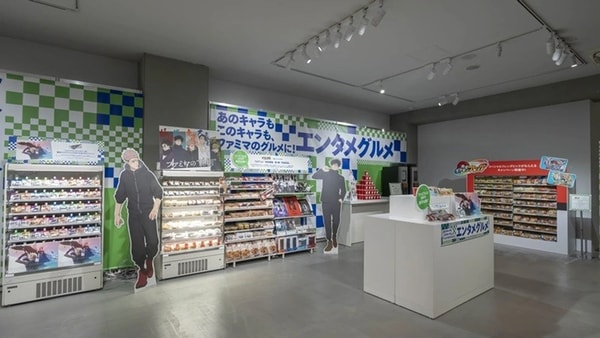
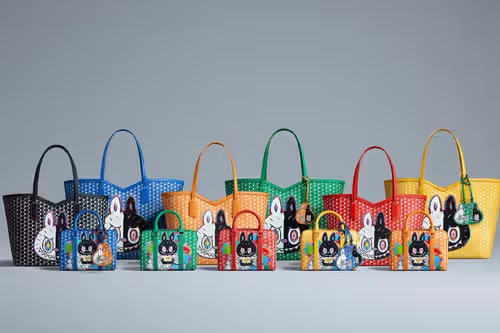
In Japan, FamilyMart’s IP-centered store experiments signal a subtle yet strategic recalibration of the convenience sector. By integrating food, apparel and household goods with entertainment-led design and character-driven engagement, the brand reframes quotidian retail as a site of discovery and emotional resonance. Likewise, the second Moynat x Kasing Lung collaboration translates beloved figures from The Monsters universe—such as Labubu, Zimomo and King Mon—into meticulously crafted luxury accessories, reinforcing the growing legitimacy of comic-inspired art within heritage fashion contexts.
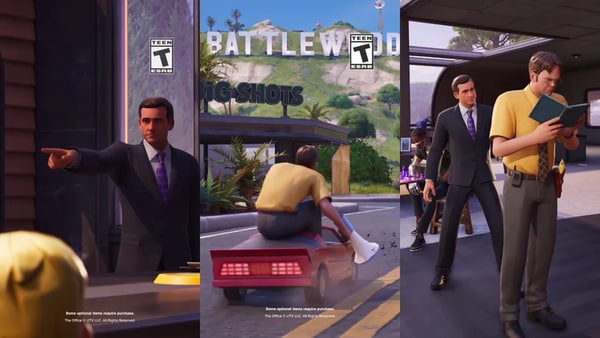
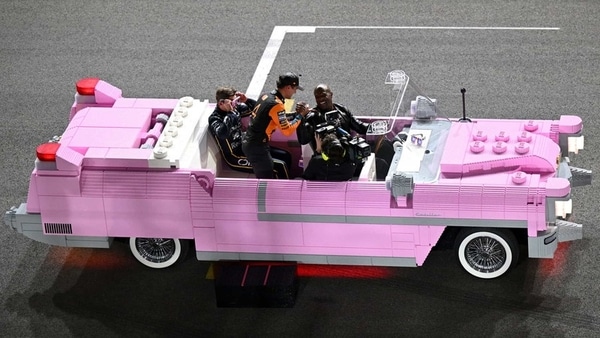
Large-scale installations and digital crossovers further underscore this immersive turn. The LEGO Group’s fully functional, brick-built 1950s 'Cadillac Fleetwood' at the Canadian International AutoShow merges engineering spectacle with nostalgic storytelling. Meanwhile, Fortnite’s integration of The Office transforms a scripted sitcom into interactive play, extending character familiarity into participatory digital culture.
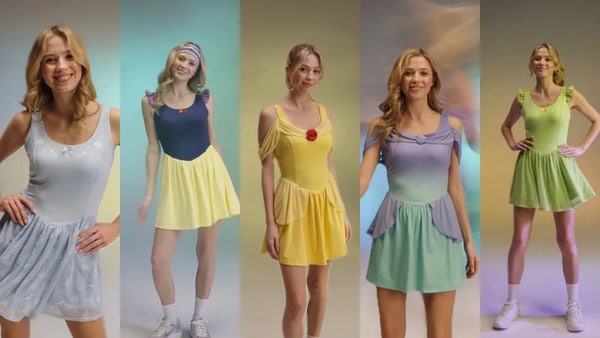
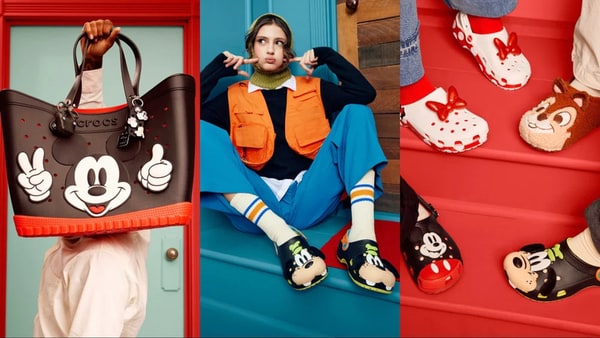
Elsewhere, fashion and fine jewelry draw deeply from cinematic and serialized romance. Emilia Wickstead’s Pre-Fall 2026 collection channels the emotional dualities of Bonjour Tristesse, while Pandora’s Bridgerton-inspired ‘Rules to Love By’ capsule reinterprets Regency motifs through contemporary materials. The 'Disney x Crocs Classic Characters Collection' similarly reimagines legacy animation as customizable footwear.
Collectively, March’s trends demonstrate that pop culture is no longer merely consumed—it is worn, played, built and spatially experienced, signaling a continued evolution toward multidimensional cultural engagement.
- Gen Z
- Gen Alpha
- Millennial (primary audience)
- Gen X (primary audience)