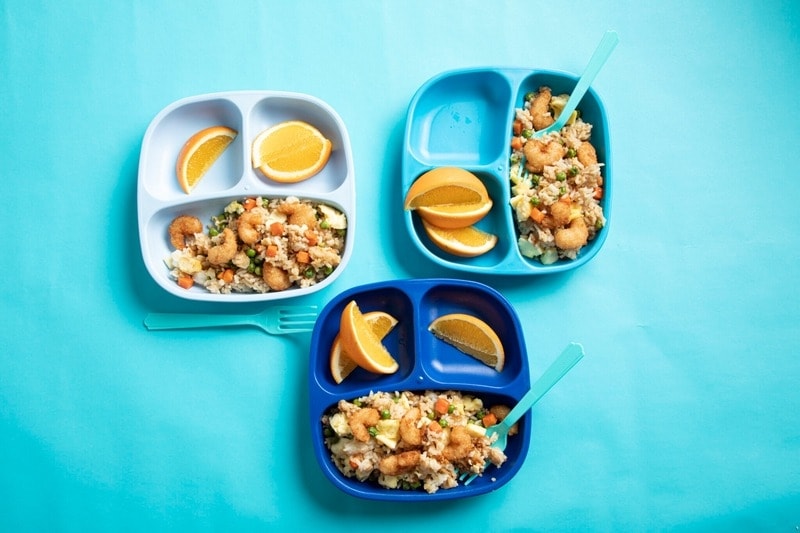
SeaPak has introduced a new campaign and product positioning aimed at transforming the Lenten season from a period of giving up meat into an opportunity for families to discover and enjoy seafood. Central to this initiative is a partnership with child nutrition expert Diana Rice, who provides guidance on making seafood approachable for households, particularly those with picky eaters, by emphasizing familiar flavors, easy preparations, and low-pressure mealtime interactions.
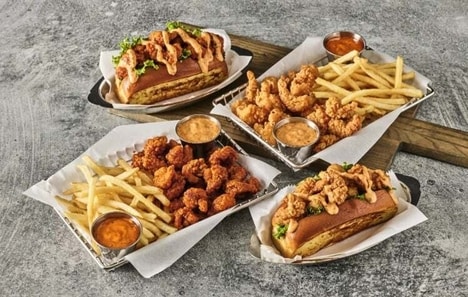
As part of its approachable seafood campaign, which is perfectly timed for the Lenten season, SeaPak also highlights its newest product innovations — the Chili Lime Shrimp, the Breaded Flounder Tenders, and the Breaded Scallops. These products feature crispy textures and dip-friendly formats designed to appeal to children and reduce the intimidation factor often associated with cooking seafood.
Image Credit: SeaPak
What's Driving This Trend
- Kid-friendly Seafood Formats
- Rising interest in crispy, dip-friendly seafood products suggests the potential for mainstreaming seafood through texture and flavor profiles tailored to children.
- Seasonal Meal Positioning
- Aligning product launches with cultural or religious seasons points to opportunities for reframing temporary dietary observances into sustained category exploration.
- Nutrition-backed Marketing
- Collaboration with child nutrition experts indicates a shift toward credibility-driven messaging that can reduce parental hesitation around introducing seafood.
Who This Affects Most
- Retail Grocery
- Demand for approachable ready-to-cook seafood products signals room for private-label and shelf-layout innovations that spotlight kid-friendly options.
- Foodservice and Restaurants
- Family-focused menu development and value meals incorporating familiar seafood formats reveal possibilities for capturing Lenten and everyday seafood diners.
- Food Packaging and Design
- Packaging that emphasizes dipping, portioning, and playful presentation suggests opportunities to reduce preparation intimidation and boost at-home seafood adoption.