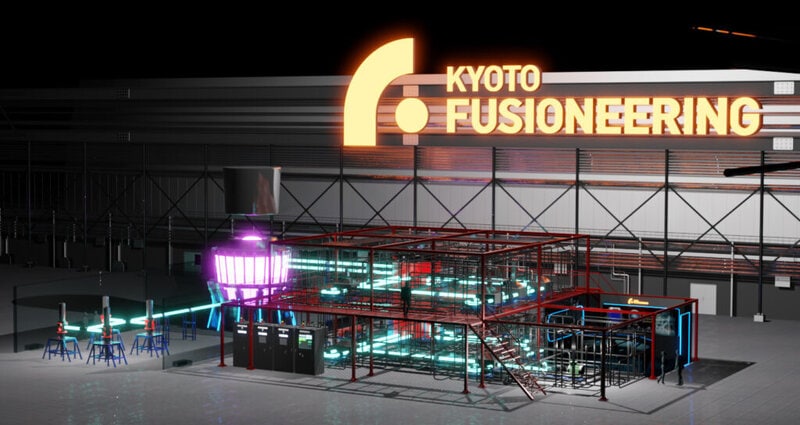
Kyoto Fusioneering introduced Unity-3, a prototype breeding blanket device being developed with Oak Ridge National Laboratory to test fuel-cycle technologies for fusion power. The Japan-based company received support from the U.S. Department of Energy and the state of Tennessee and is also moving its U.S. headquarters to Oak Ridge.
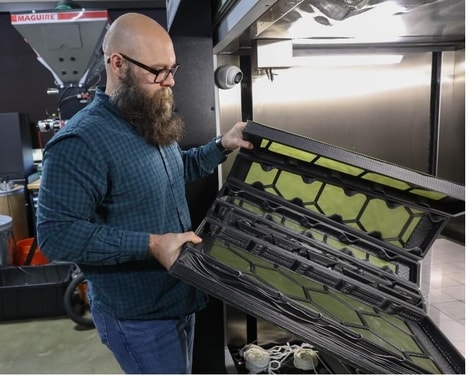
Unity-3 will test liquid lithium alongside other candidate breeding blanket materials, evaluating their ability to capture heat and generate tritium for use as fusion fuel. The system will incorporate specialized pumps, heat-resistant materials and other components needed for breeder operation, while producing experimental data that can validate results previously generated largely through computer modeling.
For fusion developers, Unity-3 provides a shared platform for testing one of the critical subsystems required for commercial reactors. The project could help accelerate fuel-cycle development and strengthen the broader fusion supply chain.
Image Credit: Kyoto Fusioneering
What's Driving This Trend
- Fusion Fuel-cycle Testing
- Shared experimental platforms are reducing reliance on simulations and creating openings for faster validation of tritium production systems.
- Liquid Lithium Breeding
- Advanced blanket materials such as liquid lithium are reshaping reactor design assumptions by combining heat capture with fuel generation potential.
- Fusion Supply-chain Localization
- Public-private projects near national labs are concentrating specialized manufacturing, materials expertise and testing infrastructure around emerging fusion hubs.
Who This Affects Most
- Fusion Energy
- Commercial reactor developers benefit from validated breeder technologies that address one of the core barriers to scalable fusion power.
- Advanced Materials
- Demand for heat-resistant components and radiation-tolerant systems is expanding the role of specialty materials in next-generation energy infrastructure.
- Clean-tech Manufacturing
- Prototype subsystems for fusion plants are creating new production needs for pumps, thermal systems and precision-engineered reactor components.