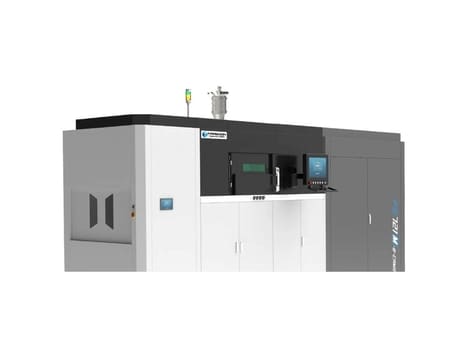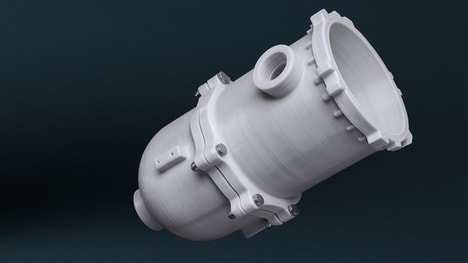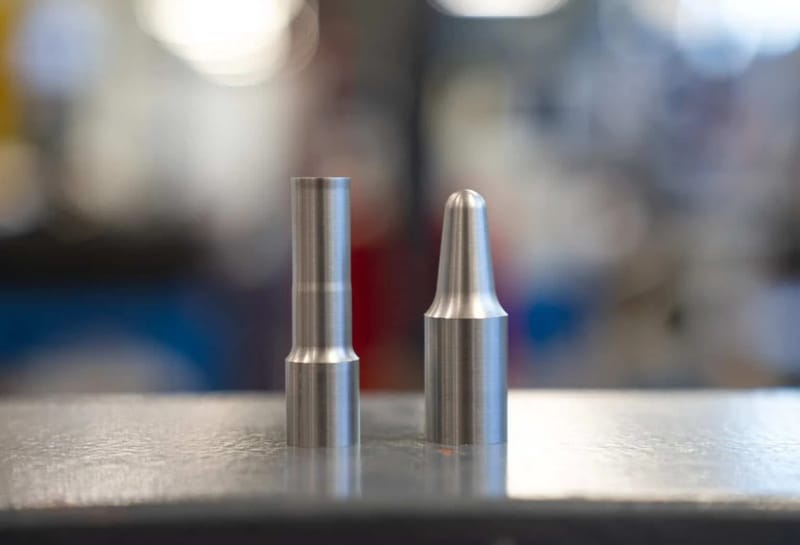
Solid-state alloying is transforming industrial metals production by replacing traditional melt-based processes with an integrated solid-state approach that produces advanced alloys more efficiently. Foundation Alloy's MetalsFIRST platform combines alloy design, mechanical alloying, shaping and sintering into a single workflow, reducing production steps by up to 90% while enabling material properties that conventional methods cannot easily achieve. Backed by new funding, the company is expanding manufacturing capacity through a new Massachusetts facility and modular production cells to meet growing industrial demand.
For manufacturers, this model offers faster production, lower capital requirements and more resilient supply chains for sectors including aerospace, defense, energy and precision manufacturing. Modular facilities can scale capacity more rapidly than conventional metal plants, helping reduce lead times for critical components. As demand grows for stronger, specialized materials, solid-state metallurgy could reshape how advanced alloys are produced, commercialized and distributed across global industrial markets.
Image Credit: Foundation Alloy
Key Themes Behind This Trend
- Melt-free Metallurgy
- Solid-state alloy production reduces reliance on energy-intensive melting infrastructure while enabling advanced material characteristics that conventional foundry processes struggle to deliver.
- Modular Metal Manufacturing
- Distributed production cells create the potential for faster capacity expansion, shorter lead times and more resilient supply networks for critical industrial components.
- Integrated Alloy Design
- Combining alloy engineering, mechanical processing, shaping and sintering in one workflow opens new pathways for specialized metals with fewer production steps and lower capital barriers.
Where This Applies
- Aerospace Manufacturing
- Aircraft and propulsion systems benefit from lighter, stronger and more customized alloys that can be produced with greater speed and supply certainty.
- Defense Technology
- Mission-critical platforms gain access to specialized metals with performance properties suited to demanding environments and rapidly changing procurement needs.
- Energy Infrastructure
- Advanced alloy production supports durable components for power generation, storage and transmission systems where material performance and supply chain reliability are increasingly strategic.