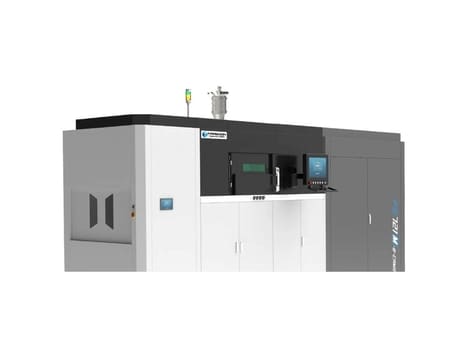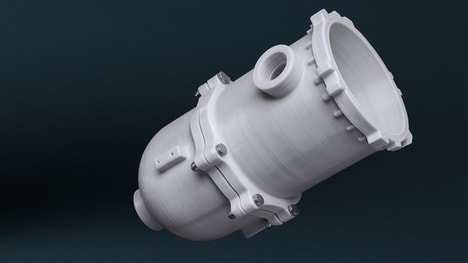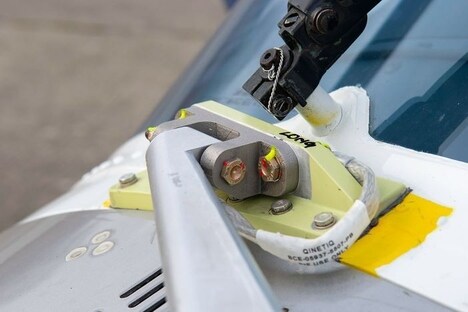

Fleet Readiness Center East delivered the U.S. Navy’s first flight-certified metal 3D-printed aircraft parts, producing three aluminium components in a capability demonstration completed in under six months. The effort, led by FRCE with support from the NAVAIR Additive Manufacturing Team and Fleet Support Teams, used laser-based powder bed fusion and featured locally produced tooling alongside a rapid qualification-to-certification workflow.
The delivered components included an AH-1Z Viper weapons pylon fitting, a V-22 Osprey main landing gear repair fitting and a C-130 Hercules blanking plate, all printed to meet naval safety and quality standards. By prioritising a supply-constrained V-22 fitting and validating the process across multiple organisations, FRCE demonstrated how on-site metal additive manufacturing can shorten repair timelines and improve fleet readiness.
FRCE also plans to add stainless steel capability to expand the range of printable parts, signalling a broader shift toward depot-level production of more flight-critical components and faster fleet sustainment.
Image Credit: Shutterstock/sdecoret
What's Driving This Trend
- Depot-level Metal Additive Manufacturing
- Localized production of flight-certified metal parts within maintenance depots enables significant reductions in repair lead times and spare-part logistics complexity.
- Rapid Qualification-to-certification Workflows
- Accelerated validation pipelines that compress qualification and certification cycles allow faster deployment of critical components while maintaining regulatory compliance.
- Multi-material Fleet Printing Capability
- Expanding printer feedstocks to include stainless steel and other alloys broadens the range of mission-critical parts that can be manufactured directly at the point of need.
Who This Affects Most
- Aerospace and Defense
- Flight-certifiable additive manufacturing reshapes supply chains for military aircraft by enabling in-theater or depot repairs of structural and safety-critical components.
- Industrial Tooling and Fixtures
- On-site production of custom tooling and repair fittings reduces downtime and creates opportunities for tailored, low-volume, high-complexity parts that traditional machining struggles to deliver.
- Materials and Metallurgy
- Developments in alloy formulations and powder-bed fusion process control are poised to redefine allowable material properties and qualification standards for critical metallic parts.