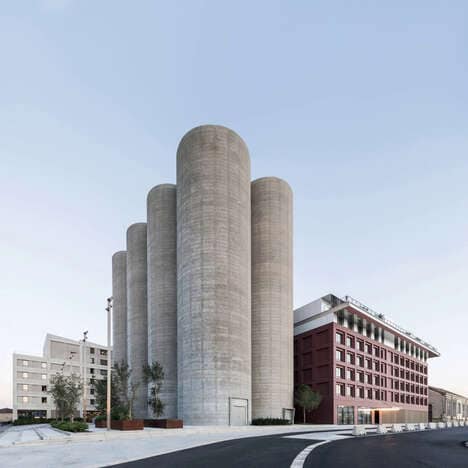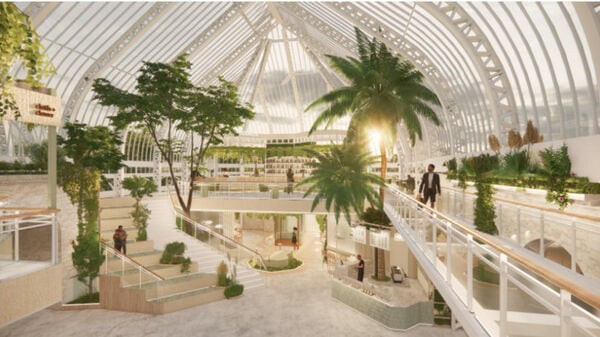
The town of Collingwood in Canada's Ontario province is set to be the site of a transformative architectural project, with the area's long-disused Collingwood Grain Terminal set for a new life as a hotel and residence building.
Originally constructed in 1929, the Collingwood Grain Terminal was used to store grain for more than six decades before operations came to a halt, with the town of Collingwood then buying the property. Now, some 30 years after the purchase, Streetcar Developments and Dream Unlimited Corp. are set to transform the area into a hotel and residence building as part of a broader waterfront revitalization project.
While there's no confirmation on when the new facility will be ready for use, it represents an example of how abandoned and unused buildings can be transformed.
Image Credit: Streetcar Developments / Dream Unlimited Corp.
Why This Trend Is Growing
- Revitalized Grain Terminals
- Transforming abandoned grain terminals into hotels and residences presents an opportunity for renovators and developers to create unique properties with historic charm.
- Waterfront Revitalization
- Reimagining waterfront areas as mixed-use developments presents an opportunity for cities and developers to create thriving, dynamic communities.
- Adaptive Reuse Projects
- Adaptive reuse projects like transforming old industrial buildings into new uses like hotels or residences present an opportunity for developers to repurpose underutilized structures while preserving their history and character.
Industries Being Reshaped
- Real Estate Development
- Real estate developers can capitalize on the trend of adaptive reuse projects to create unique properties with a story to tell.
- Hospitality Industry
- The hospitality industry can look to transforming abandoned industrial buildings for new and unique hotel opportunities.
- Urban Planning
- Cities and urban planners can use adaptive reuse projects as a way to revitalize waterfront areas and create new, dynamic communities.