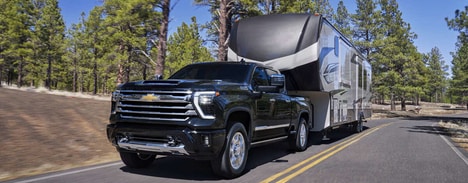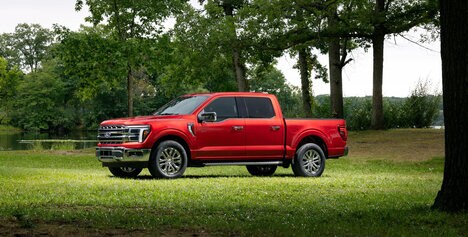
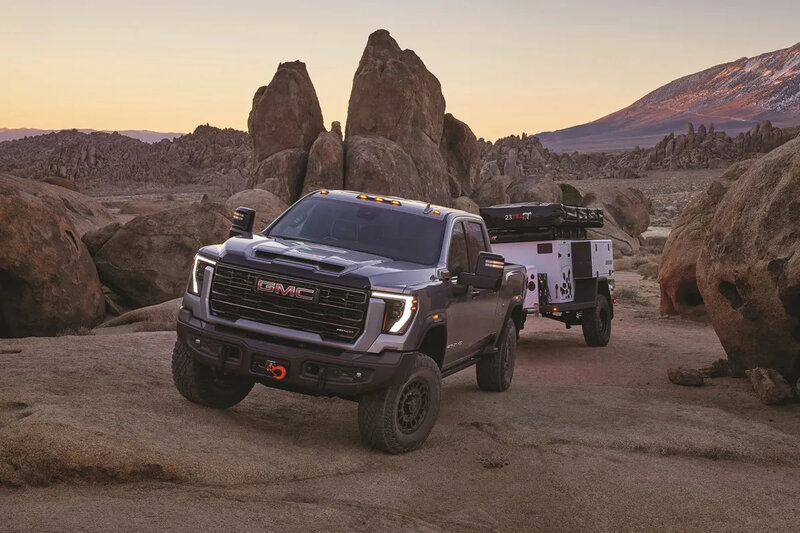
General Motors is updating its heavy-duty pickups with rack-and-pinion steering and electric power assist, giving drivers a more precise feel in trucks built to work hard. The setup replaces the hydraulically boosted recirculating ball design long common in this class and arrives on the Chevy Silverado HD and GMC Sierra HD.
GM says the change helps keep steering more precise when towing loads as heavy as 38,000-pound trailers. It also keeps the truck from feeling dramatically different when unladen, which matters when a work rig has to feel steady both empty and loaded. That balance is what makes the switch stand out in a segment that usually prizes brute strength over finesse.
For buyers, this means heavy-duty trucks are starting to feel less old-school without sacrificing the confidence people expect from a hauler. It also raises expectations for how much steering feel can be tuned into a pickup that still has to handle serious weight day after day.
Image Credit: GMC
Key Themes Behind This Trend
- Electrified Steering
- Electric power assist in heavy-duty pickups signals a shift toward software-tunable handling that can improve precision across changing payload and towing conditions.
- Work-truck Refinement
- Heavy-duty vehicles are adopting comfort and control features once associated with passenger vehicles, creating room for premium usability in commercial-grade platforms.
- Adaptive Towing Dynamics
- Steering systems that maintain consistent feel under extreme trailer loads point to new vehicle architectures designed around stability, confidence, and driver feedback.
Where This Applies
- Automotive Manufacturing
- Truck makers can differentiate rugged platforms through advanced steering hardware and electronic control systems that reshape expectations for heavy-duty performance.
- Commercial Transportation
- Fleet operators stand to benefit from more predictable handling in loaded and unloaded conditions, supporting safer and less fatiguing long-haul and job-site driving.
- Automotive Components
- Suppliers of steering, sensors, and control modules are positioned around growing demand for durable electrified systems in high-load vehicle categories.